
SHAKIR ANSARI
If your business runs on appointments, reservations, rentals, consultations, classes, or scheduled services, a generic website (or “off-the-shelf” booking tool) usually creates more work than it solves.
You need a custom booking system with smart scheduling logic, payments, automated confirmations + reminders, admin dashboards, integrations via APIs, and workflow automation to reduce manual effort.
That’s exactly where Full Stack Development shines—one team building the front-end experience and the back-end systems that power booking, payments, notifications, and reporting.
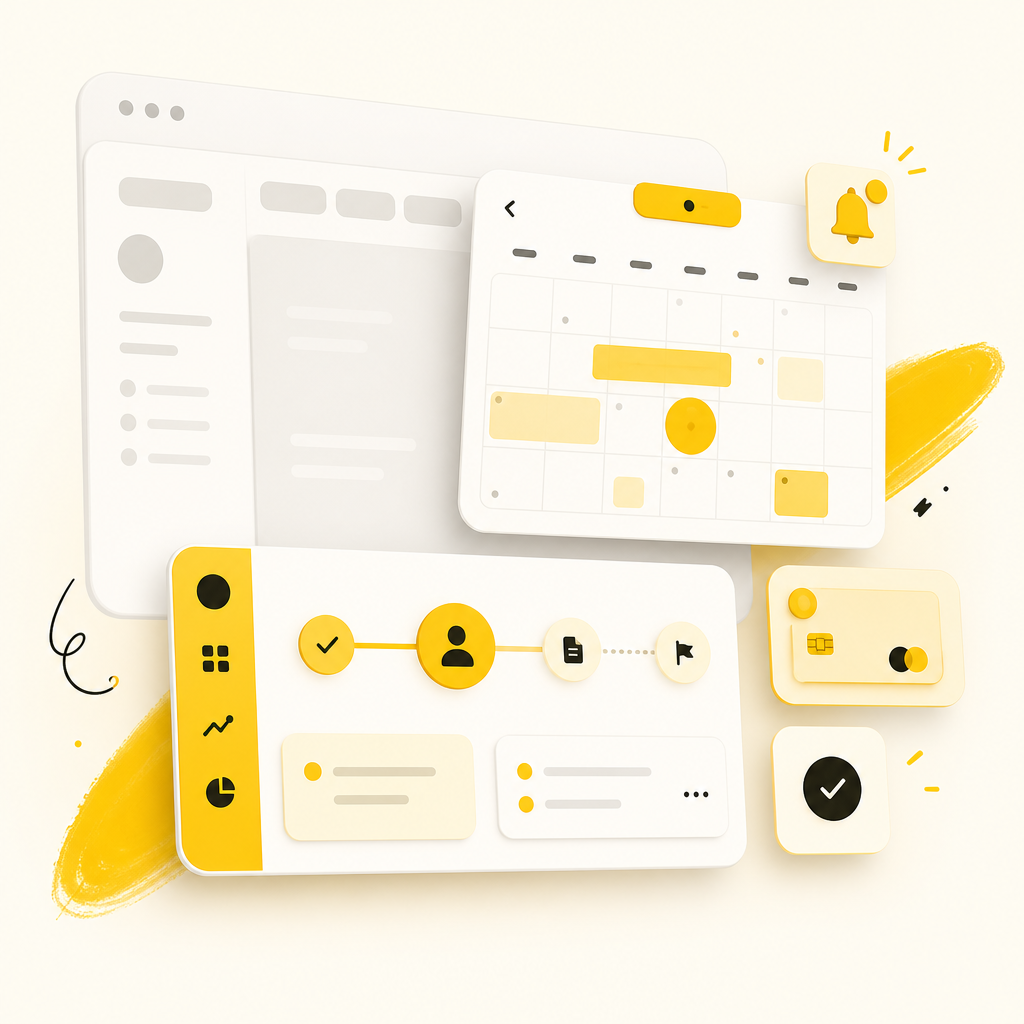
Most businesses start with a template site or basic booking widget. Over time, common problems appear:
A custom web application replaces manual processes with a system your team can rely on—built around your real workflows.
Full Stack Development means building the complete product—end-to-end:
When it’s done right, full-stack development creates a platform that’s reliable, scalable, automation-ready, and secure.
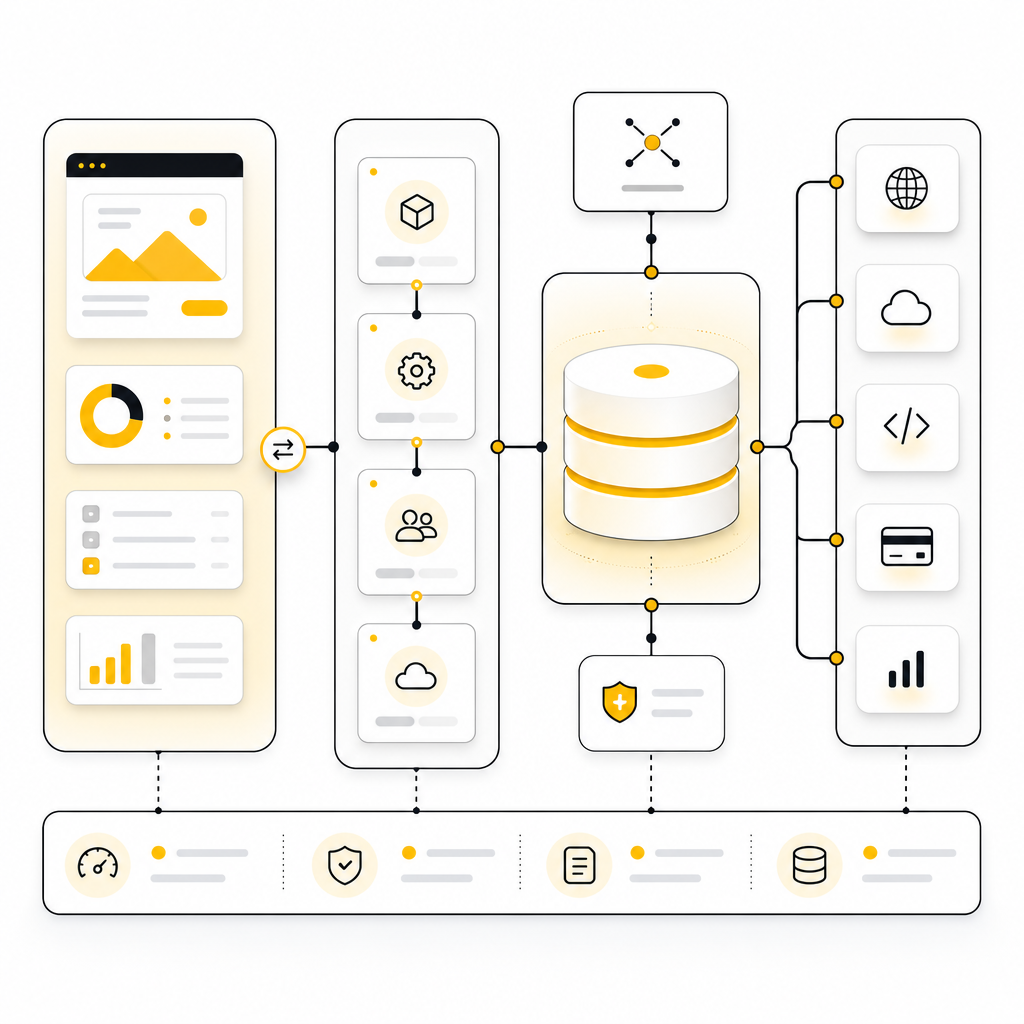
A booking platform is more than a calendar. It’s a business system.
That’s why businesses often choose Custom Web Development Services instead of generic templates:
With custom development, your platform becomes a growth asset—not a patchwork.
If you’re looking for a platform that supports appointments and reservations, here’s what we typically build under full-stack development:
This is the difference between “bookings happen” and “bookings run your business efficiently.”
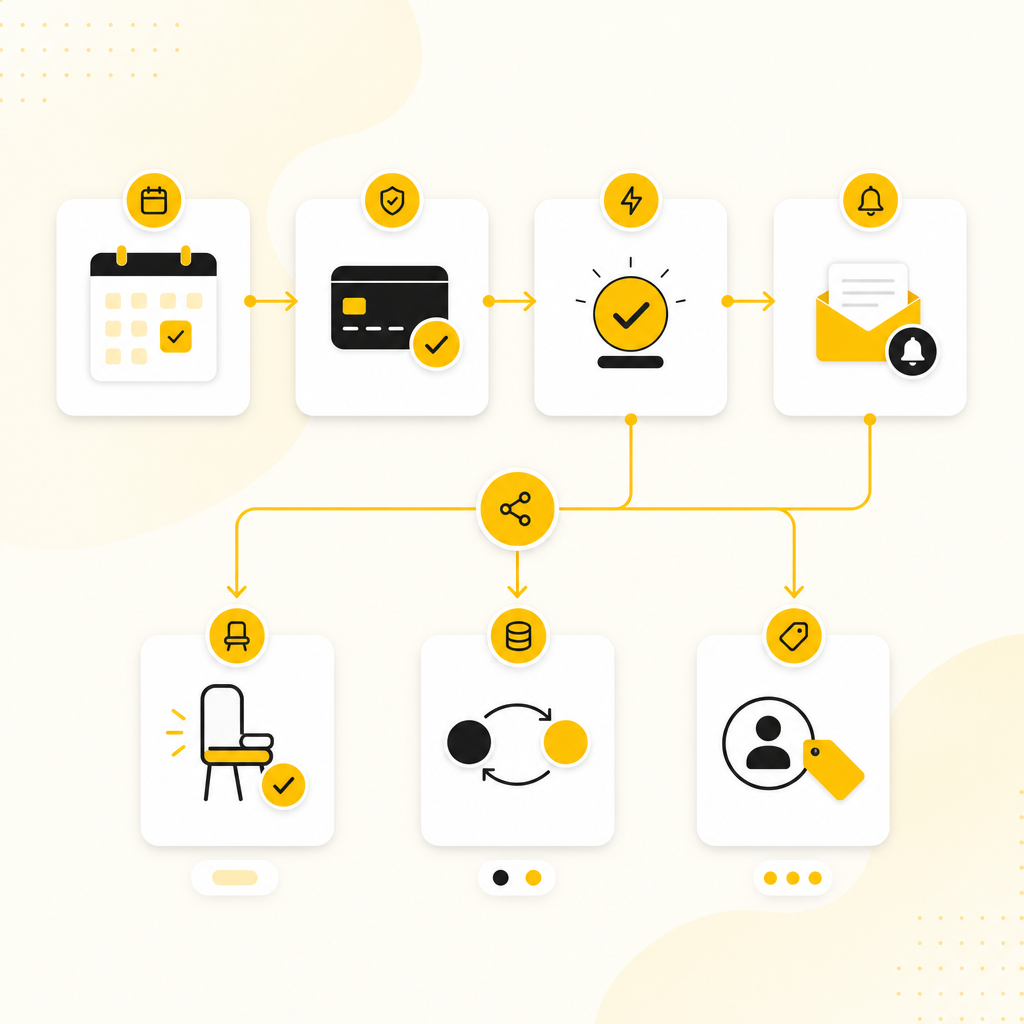
Manual follow-ups and spreadsheet tracking don’t scale.
With workflow automation, your platform can automatically handle the operational “busy work” that drains time:
Once you have strong data + workflows, AI-powered features become realistic, such as:
A powerful booking platform should connect to the systems you already use.
Using API development and third-party integrations, we can connect your platform to:
APIs ensure your booking data doesn’t get trapped inside your platform—it becomes usable across your entire business stack.
A common business decision is “Do we just need a website?”
Here’s a simple way to choose:
If your business depends on scheduling and reservations, you’re not building a brochure site—you’re building a web application.
Below are common systems where full-stack development creates immediate operational value:
With SaaS development and multi-portal architecture, your platform can evolve beyond one business into a scalable product model.
When businesses grow, the platform must grow with them.
Our approach is designed to reduce risk and ensure you get a platform that works for your team from day one.
With 10+ years of experience and 1300+ web applications developed, Shakir Ansari and the RTP team build reliable systems that stand up to real business operations.
Full-stack delivery can be adapted to your needs, but typical capabilities include:
Cost depends on scope, complexity, and integrations. Projects are usually impacted by:
Most businesses plan for a range from a few thousand to tens of thousands depending on complexity, with many scaling into larger builds when payments + integrations + automation are included.
If you want, share your services and booking rules—we can help estimate scope and propose a phased plan to control cost while still launching something valuable quickly.
Choose custom development when you need:
For most appointment-heavy businesses, custom full-stack development is the long-term efficiency win.
When evaluating providers for Custom Web Development Services and Full Stack Development, ask:
Shakir Ansari and the RTP team are built for businesses that need dependable systems—not just “a site that looks good.”
A website is primarily for marketing and lead capture. A booking application manages scheduling, availability, payment workflows, notifications, and admin operations.
Yes. We typically implement payment gateway integrations, webhook-driven status updates, and automated notifications for confirmations, reminders, and cancellations.
Absolutely. Booking platforms usually need role-based admin and staff dashboards for managing bookings, schedules, and operational workflows.
Yes. With API development and third-party integrations, we connect your booking platform to CRMs, email/SMS tools, and other business systems.
By removing repetitive manual tasks—like sending updates, updating records, notifying staff, and syncing data—automation improves speed and consistency.
If your product strategy requires it, we can design the architecture for scalability, multi-tenant support, and SaaS-style growth.
Yes. We prioritize security, optimize booking queries and page performance, and design for scaling as booking volume grows.
AI is typically best added after the platform’s core data and workflows are stable—then AI can automate support, recommendations, and internal reporting.
If you’re outgrowing templates and want a custom full-stack booking system—with payments, notifications, dashboards, integrations, and workflow automation—Shakir Ansari and the RTP team can help you plan and build the right platform.
Get a project discovery call and we’ll recommend the best approach for:
Let’s build a smarter digital system that saves time and supports growth.