
SHAKIR ANSARI
A website redesign isn’t just a visual refresh. For businesses that already have a site, the real goal is conversion improvement—turning visitors into leads, demos, purchases, or inquiries. This pillar guide walks you through a conversion-focused website redesign process, what to prioritize in UI/UX Design, and how to Hire Frontend Developers when you need performance, usability, and modern implementation done right.
visitors instantly understand what you do and why it matters
the UI/UX Design supports browsing, trust, and decision-making
pages load quickly and interactions feel smooth
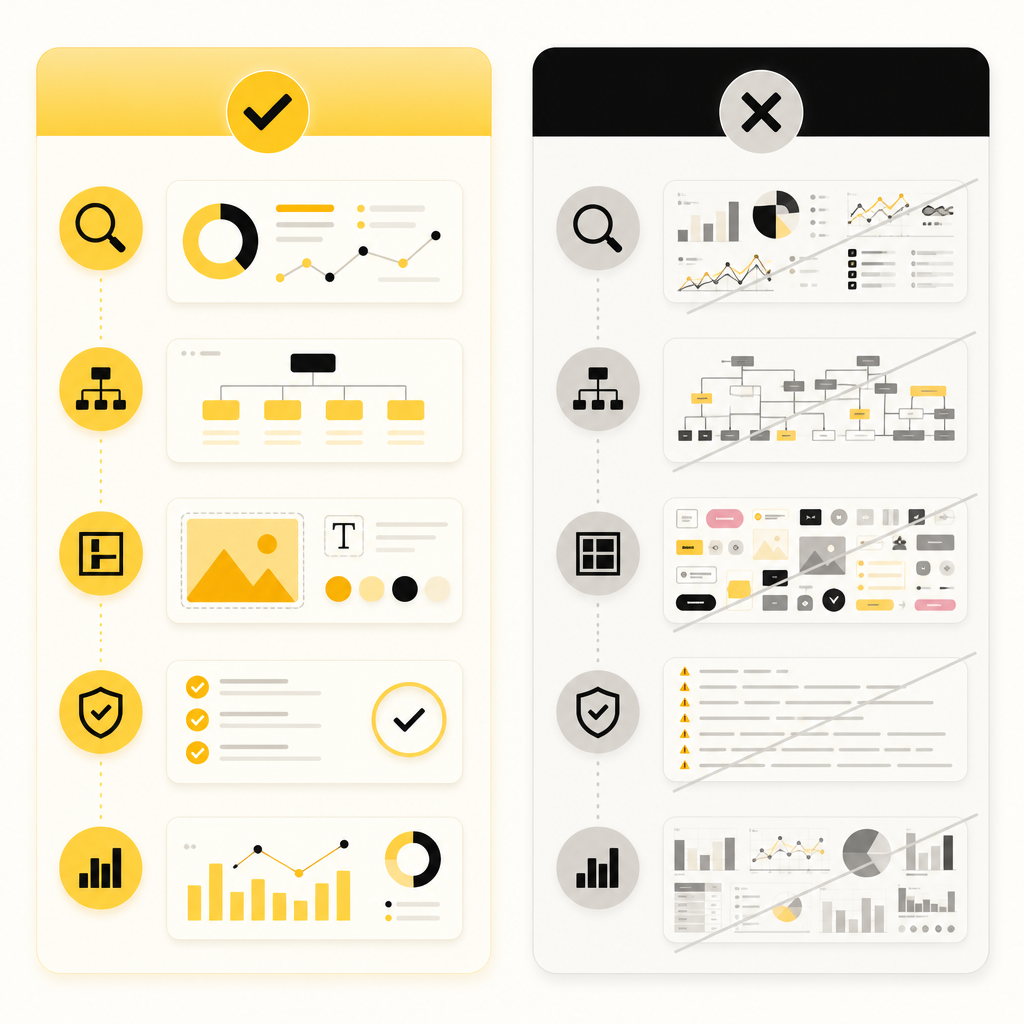
A successful website redesign improves three things at the same time:
Most redesign projects fail when they:
If your site looks fine but conversions are weak, the issue is often the experience flow and messaging—not just design.
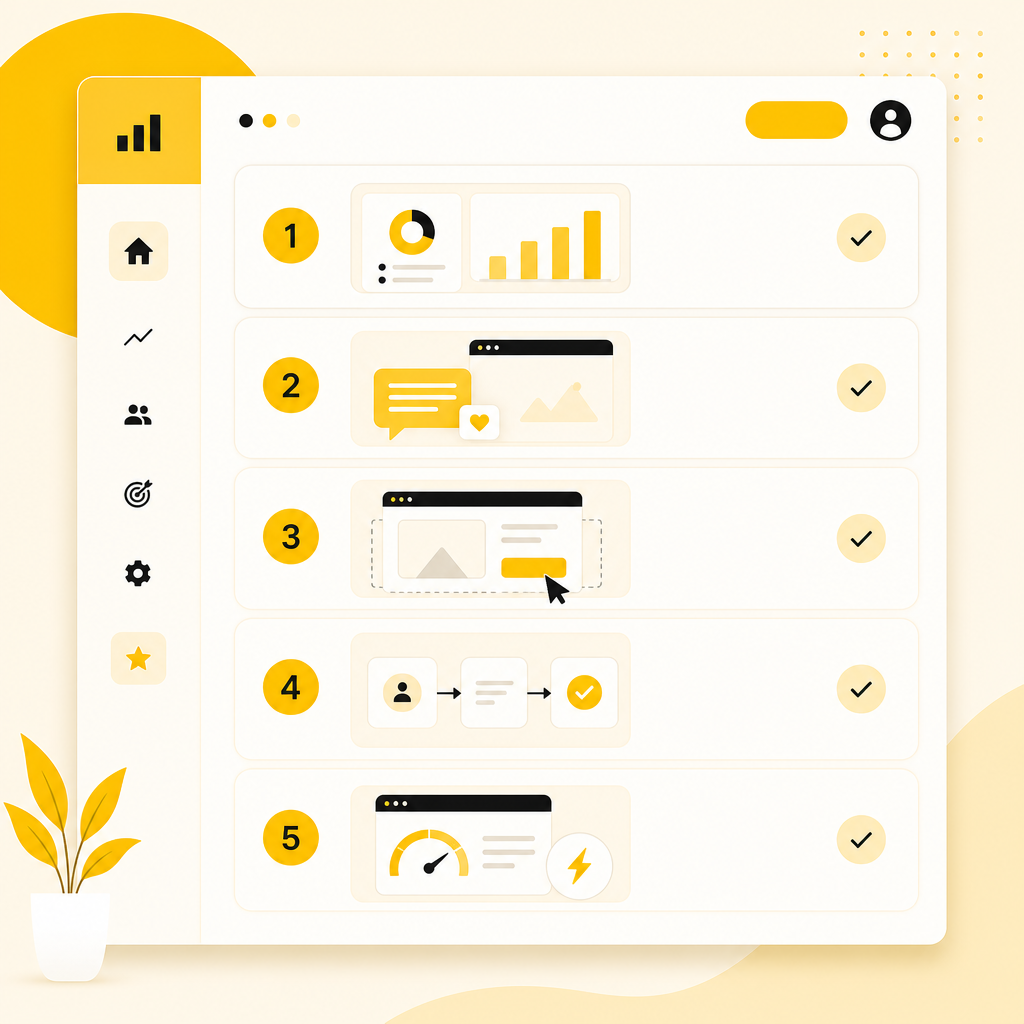
Before you change the site, identify what to improve:
A redesign should be driven by user behavior and measurable outcomes, not internal opinions.
Clarity is a conversion lever. During a website redesign:
If visitors don’t understand your offer quickly, even the best UI/UX Design won’t fix conversions.
UI/UX Design directly impacts trust and ease of use. Focus on:
Design should guide users toward the next action.
Conversion improvement usually requires flow changes:
Your redesign should map to how customers actually decide.
Slow sites lose conversions. For conversion-focused redesign:
Modern frontend implementation can be the difference between “nice design” and “high conversion.”
Accessibility is also conversion optimization: fewer users get stuck or frustrated.
A thoughtful scope protects your timeline and conversion outcomes.
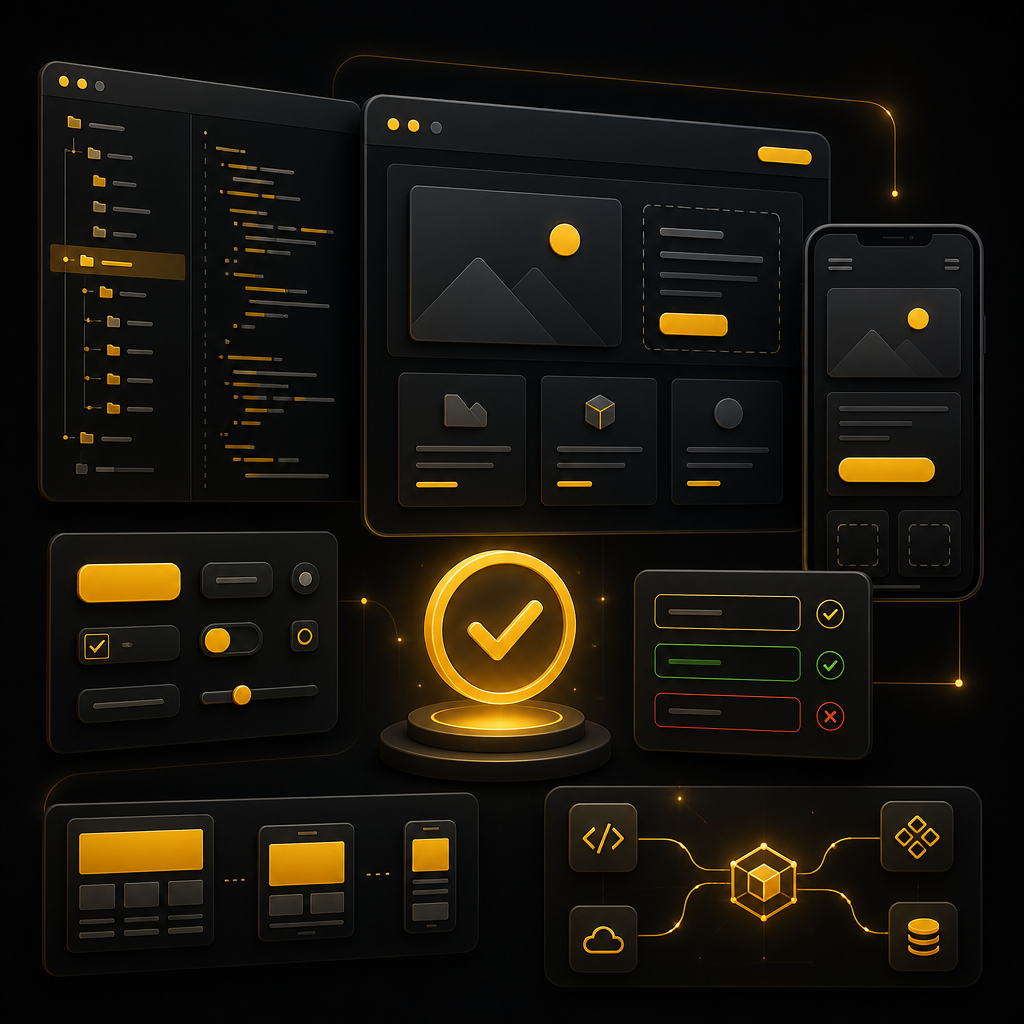
You should consider hiring frontend developers when the redesign requires:
Hiring the right frontend talent helps ensure your UI/UX Design is built correctly—not just approved in a design file.
For businesses aiming to improve design clarity, user experience, and conversion performance, Shakir Ansari – Full Stack Developer & AI Automation Solutions and the RTP team work across the full delivery lifecycle—so your redesign becomes a scalable digital system, not a one-time refresh.
You can typically expect support across:
With 10+ years of experience and 1300+ web applications developed, the team focuses on clean, custom-coded solutions tailored to your users and outcomes.
If users struggle to find information, trust is low, forms/CTAs underperform, or page speed and mobile experience hurt engagement, a redesign (often including UX and structure changes) is usually the right move—not just a visual update.
Start with data: identify which pages attract visitors but don’t convert, map the user drop-off points, and define the primary conversion goal for each page.
It includes information architecture, page structure, visual hierarchy, navigation patterns, readability, CTA placement, usability, and responsive interaction design that helps users reach their next step.
If your redesign needs performance optimization, modern interactive UI components, complex form/flow behavior, or integrations that require careful frontend implementation, hiring frontend developers can reduce risk and improve results.
Timeline depends on scope: number of pages/templates, content readiness, integrations, and approval cycles. A conversion-focused approach typically includes UX planning, design, implementation, testing, and performance/SEO readiness.
A conversion-focused website redesign improves more than aesthetics. When you combine clear messaging, strong UI/UX Design, optimized performance, and friction-free user flows, your website becomes a more effective growth channel.
If you’re ready to upgrade your site for better user experience and higher conversions, explore website redesign services and related UI/UX + frontend expertise from Shakir Ansari – Full Stack Developer & AI Automation Solutions and the RTP team.