1) Updates and continuous improvement
- Framework/library updates (as applicable)
- Core feature enhancements based on changing business needs
- Component updates to improve usability and conversion

SHAKIR ANSARI
A custom website should be a business asset—fast, secure, and ready to evolve as your operations and growth goals change. But most websites don’t “stay finished” after launch. You’ll need ongoing updates, performance improvements, security fixes, and new integrations to keep your digital platform working as intended.
This pillar page explains what reliable long-term development support looks like when you work with an experienced team—so your website keeps performing and keeps paying off.
A successful website is more than design and deployment. Over time, businesses typically need:
When you plan for ongoing Support & Maintenance from the beginning, your website doesn’t become a “static brochure.” It becomes a continuously improved platform that supports growth.
Support & Maintenance is the ongoing technical care that keeps your website stable, secure, and ready for improvements. Common coverage includes:
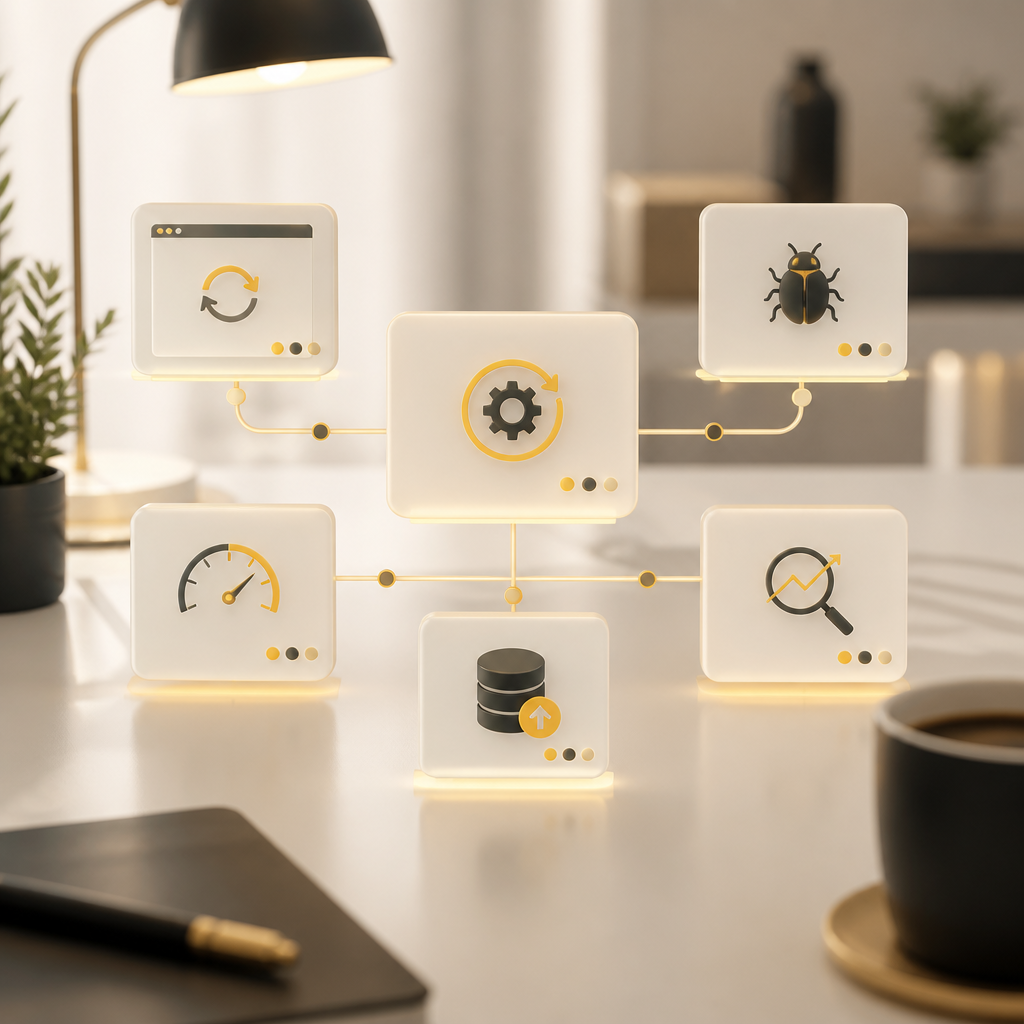
Support & Maintenance is how you protect the value of your custom build—especially when the site becomes integrated into your business systems.
Sometimes maintenance isn’t enough. When you need new functionality—like new product flows, customer portals, AI-powered features, or deeper workflow automation—you’ll want to Hire Dedicated Developers who can actively build and improve.
Dedicated development support is ideal when you want:
For businesses building modern platforms, this dedicated approach helps ensure changes don’t break existing systems—and improvements compound over time.

Managed IT Services go beyond code updates. They help manage the broader environment that your website runs on—so your platform stays reliable even as traffic, integrations, and external systems change.
Depending on your setup, Managed IT Services may include:
Managed IT Services are especially important when your website connects to other tools—CRMs, payments, internal dashboards, automation systems, and third-party APIs.
A reliable long-term partnership focuses on three outcomes: security, performance, and scalable growth.
Web threats change frequently. Ongoing support keeps your site protected through routine updates, safe practices, monitoring, and responsible patching.
As content grows and integrations expand, performance can slow down without care. Continuous optimization helps maintain a fast user experience and strong lead generation.
A scalable website architecture makes it easier to add features, handle higher traffic, and integrate new systems—without constantly rebuilding core functionality.
Businesses rarely rely on a website alone. Your website becomes more valuable when it connects to the tools that run your operations.
Long-term development support commonly includes:

When these systems work reliably, your website supports operational efficiency—not just marketing.
Shakir Ansari and his RTP team build custom-coded solutions designed to scale—and they also support businesses after launch with the development work that keeps systems reliable and evolving.
With 10+ years of experience and 1300+ web applications developed, the team supports businesses across areas that matter for long-term performance, including:
If you already have a site that needs ongoing improvements, the same partnership model can help you move from “one-time build” to a continuously improved digital platform.
When evaluating support options, focus on whether the partner can consistently deliver on these needs:
A long-term partner should help your website keep working today—and keep improving for tomorrow.
Support & Maintenance focuses on the website’s ongoing development and technical upkeep (updates, bug fixes, performance improvements, and related tasks). Managed IT Services typically covers the broader operating environment—monitoring, security management, deployment stability, and operational reliability—so the website and its integrations stay dependable.
Ideally, plan for it before launch so the workflow, release approach, monitoring, and maintenance expectations are clear. After launch, maintenance support becomes essential for stability, security patching, and continuous improvements based on real usage.
Yes—dedicated developers can join existing projects to handle enhancements, integrations, and technical improvements, provided the team can assess the current structure and align on a development roadmap.
Yes. Long-term website support commonly includes performance optimization (speed and stability) and technical SEO support to ensure your site remains healthy as pages, content, and features grow.
Long-term support can include API integrations, webhooks, CRM/payment connections, and workflow automation—especially when your business relies on the website to trigger or manage operational workflows.
Support and development can apply to custom-coded systems and common platforms used by businesses, including WordPress and e-commerce environments, depending on your website requirements and roadmap.
If your business needs reliable long-term support—not just a one-time build—explore how ongoing development can turn your website into a continuously improving growth platform.
Call to action ideas (choose what fits best):