
SHAKIR ANSARI
Healthcare providers don’t need a “generic brochure website.” They need a digital front door that earns trust, works perfectly on mobile, helps patients take action, and attracts the right inquiries through search. This pillar page explains what goes into building websites for doctors that perform—combining custom development, modern UX, conversion-focused booking flows, and SEO.
Most patients decide quickly—often on their phone. A well-built healthcare website should:
When your website becomes a consistent marketing and intake channel, it turns into a measurable business asset—not just an online presence.
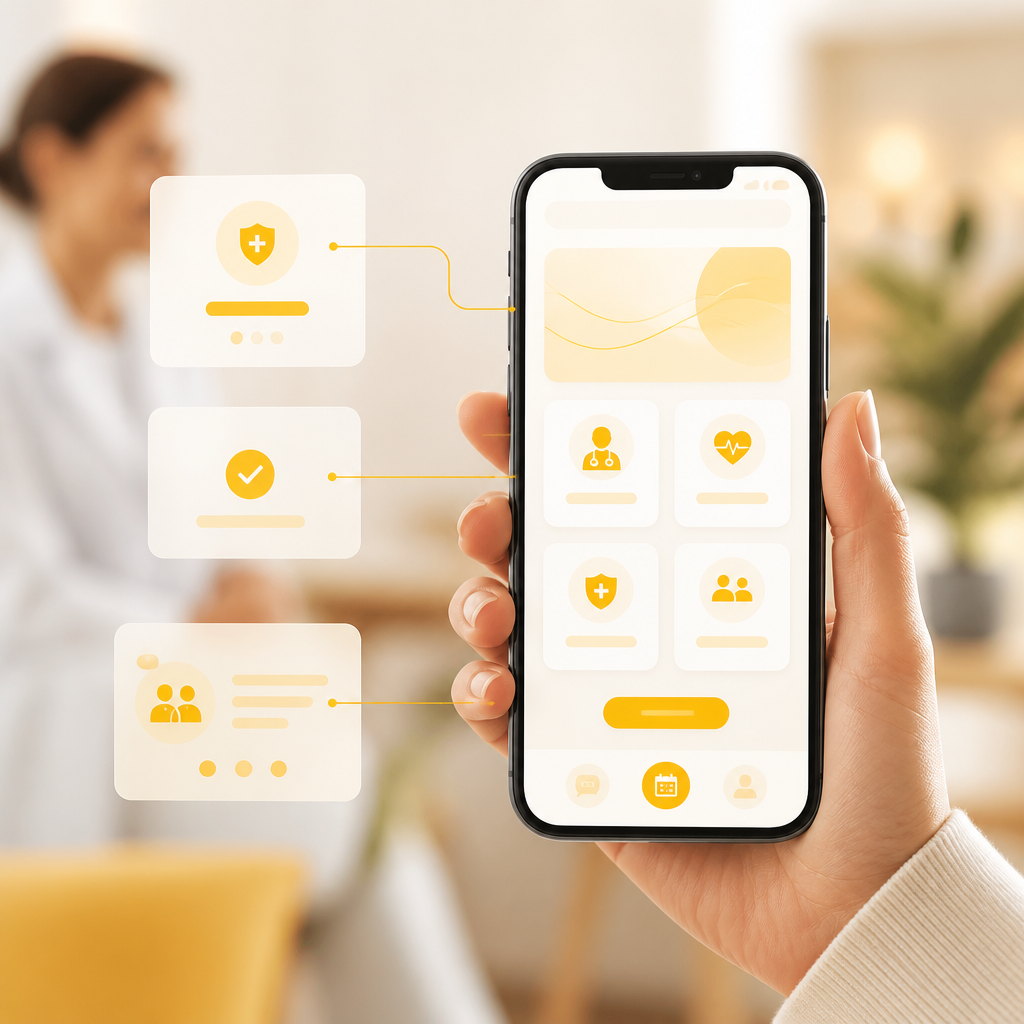
A clinic or wellness visitor should be able to:
Mobile-friendly design also supports stronger SEO performance and better user signals.
A healthcare site should be organized around how patients search, such as:
Each service should have its own page with:
Patients usually want one of these actions:
Conversion-focused pages include:
To reduce hesitation, your website should include:

Template-driven sites can look “fine,” but healthcare providers often hit limitations when they need real functionality—like flexible scheduling, specialized intake, or integration with internal tools.
Custom-built websites allow you to:
B2B web design thinking, you can also structure pages for partnerships (referrals, employer/wellness programs, vendor coordination, or multi-location operations), not just individual consumers.
If patients aren’t finding your services in search, your website can’t generate meaningful inquiries. Effective SEO for healthcare websites typically includes:
SEOBoosting search rankings and traffic is rarely a one-time task—it’s a system built into the website structure, content approach, and technical performance.
Healthcare websites often involve sensitive patient workflows. While every project is different, a responsible build considers:
If your site involves PHI or HIPAA-covered workflows, your development should align with applicable requirements and vendor responsibilities. A strong approach is to design the system so sensitive data is handled appropriately, and to coordinate with the right compliance stakeholders.

Many healthcare providers operate with business relationships that benefit from a professional, structured website experience, such as:
B2B web design for healthcare can include:
This ensures the site supports not only patient inquiries, but also organizational growth.
A conversion-optimized healthcare site is built in stages. Shakir Ansari and the RTP team focus on custom development that supports growth and operational efficiency, including:
With 10+ years of experience and 1,300+ web applications developed, the RTP team works across full-stack development and modern web platforms—helping healthcare businesses build reliable, maintainable digital systems.
Use this as a starting point for what your website project should include:
If you’re comparing agencies or freelancers, prioritize providers who can demonstrate:
A partner who understands how healthcare websites convert will help you avoid the common mistake: launching a visually attractive site that doesn’t generate patient inquiries.
HIPAA requirements depend on whether your website handles protected health information (PHI) and your specific workflows. If your site collects PHI (or connects to PHI systems), compliance considerations should be part of the design and implementation process.
Yes. Custom development can support booking flows and connect scheduling-related tools and workflows through integrations—so patients can book or request appointments with minimal friction.
Focus on mobile UX, clear service pages, trust-building content, and conversion-focused booking/contact flows. Add analytics to measure where inquiries come from and refine the site based on real behavior.
It’s essential. Many patients discover providers through search. SEO-friendly structure, strong page intent alignment, and technical performance help you reach more qualified inquiries over time.
Healthcare businesses often need to support partnership and organizational audiences in addition to patients. B2B web design helps structure these experiences clearly—making it easier for partners and stakeholders to understand next steps.
If you need specific integrations, unique workflows, or scalable growth, a custom-built approach typically performs better than template sites that limit functionality and flexibility.
Building websites for doctors and healthcare services should be approached as a long-term growth system: mobile-first UX, conversion-focused booking, secure and privacy-minded implementation, and a structure designed for SEO. With the right development partner, your website becomes a reliable intake and trust platform—supporting both patient inquiries and business operations.
If you’re planning a healthcare website that performs—fast, mobile-friendly, SEO-ready, and built for real workflows—explore Website Development with Shakir Ansari – Full Stack Developer & AI Automation Solutions.