
SHAKIR ANSARI
Restaurants don’t win on menus alone—they win when guests can book, order, and get answers instantly. A well-built Restaurant Booking and Reservation app experience (typically powered by a custom website and supporting backend) helps your customers reserve tables, manage waitlists, and place orders for pickup or drive orders without the back-and-forth.
This guide covers what to build, the key features that matter, and how custom development turns your restaurant website into an operational growth asset.
A Restaurant Booking and Reservation app for restaurants is a reservation + ordering experience that runs as part of your digital presence, usually including:
Instead of relying only on calls or generic widgets, a custom solution can be tailored to your venue, seating rules, and service model.
When guests can book instantly, you reduce “we’ll call you back” drop-off.
Reservations and order data should be structured, not scattered across spreadsheets or multiple tools.
Guests browse menus, location details, and hours on mobile—your booking and order flow must be fast and frictionless.
A booking system can support upsells like:
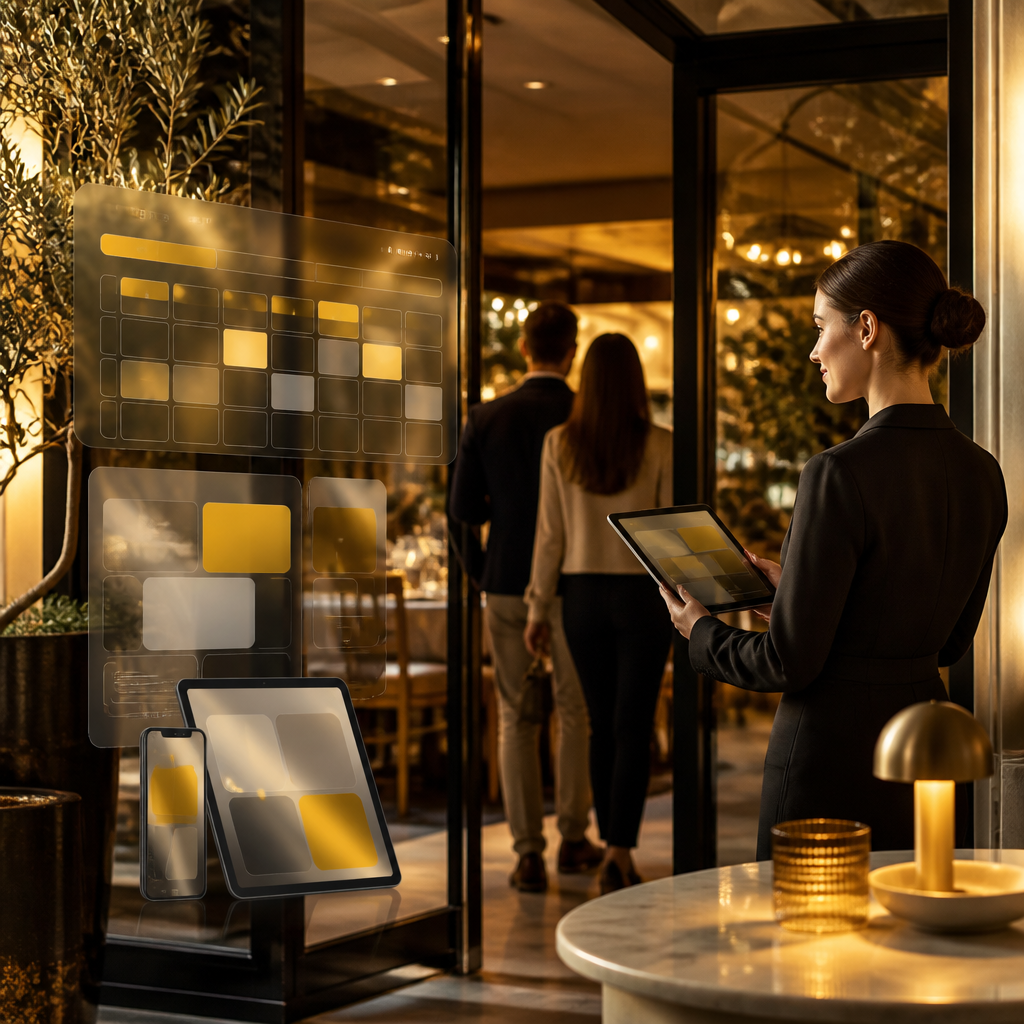
To support a reservation app experience, your website should clearly include:
A reservation system works best when guests can answer the basics instantly—where you are, what you serve, and what the dining experience looks like.
When you’re creating a restaurant website with a reservation component, these features reduce support requests and improve booking accuracy:
If you operate multiple locations, your system should support location-specific capacity and rules.
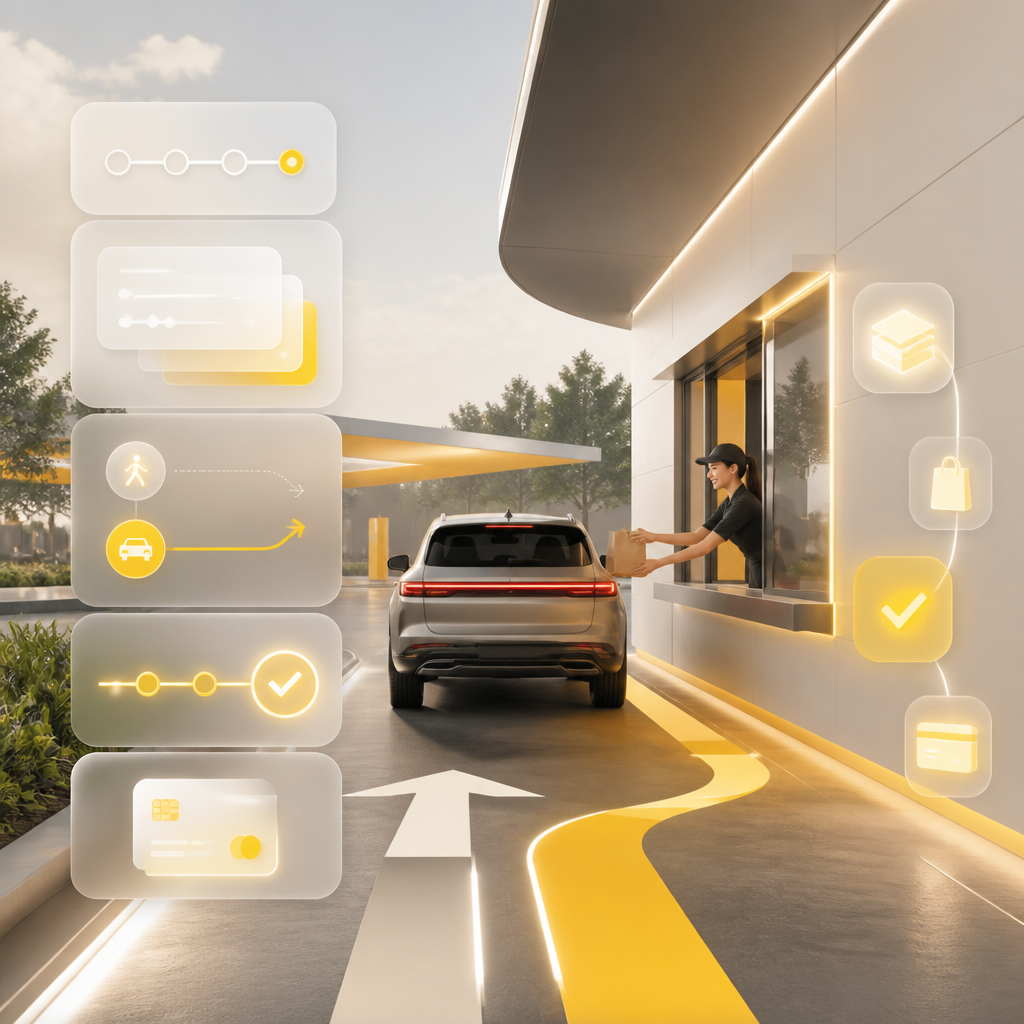
Inspired by custom ordering experiences seen in restaurant kiosks and drive workflows, your Drive Orders setup should focus on speed, clarity, and continuity:
This keeps customers moving—without confusion—and reduces load on your staff at peak times.
Many restaurants start with a website builder because it’s fast. But once you need scheduling rules, reservation capacity logic, and a tailored drive ordering flow, limitations show up:
A custom approach is what turns “a restaurant website” into a system that supports day-to-day operations.
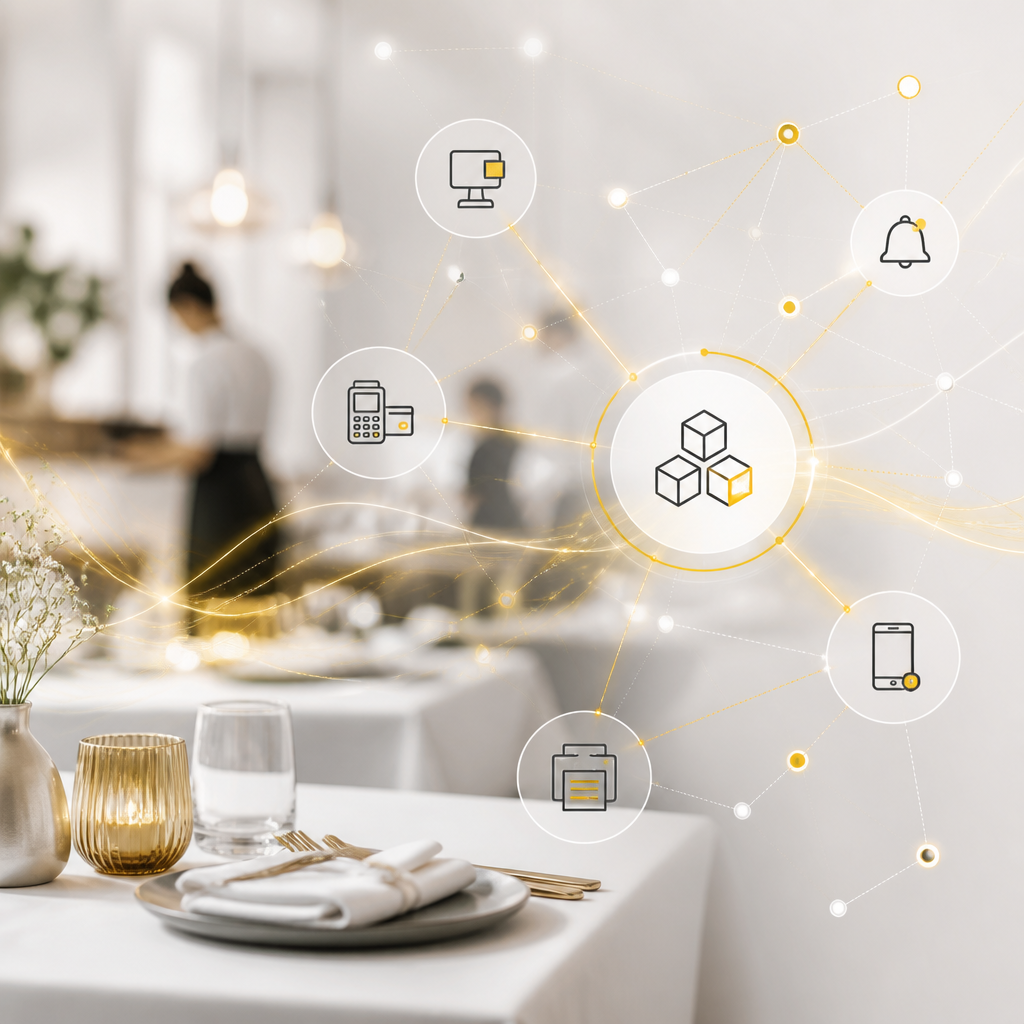
A modern reservation + drive ordering experience should connect to the tools you already use. Common integrations include:
For restaurants, automation reduces manual work—so bookings, notifications, and order states stay consistent.
Even the best reservation flow won’t help if people can’t find your restaurant online. Focus on:
If you want guests to book, your site needs to rank for the right “near me / reservation / restaurant booking” searches—and deliver a smooth booking experience once they land.
A reservation experience should be reliable under real demand. Your solution should support:
Custom-coded development helps you avoid bottlenecks when usage increases.
Shakir Ansari – Full Stack Developer & AI Automation Solutions helps restaurants build and improve digital systems through custom website development and application work—especially when a simple brochure site isn’t enough.
Depending on your needs, the RTP team can support:
Before going live, confirm:
Not always. Many restaurants achieve a strong reservation experience by embedding booking functionality into a custom website experience. A dedicated “app-like” flow can still be built without forcing customers to download something.
A reservation process handles the booking itself (date/time, party size, confirmations). A “Restaurant Booking and Reservation app” implies a more complete, interactive system—often with waitlists, capacity logic, notifications, and staff/admin management.
Yes, that’s often the best approach. With API integrations, your booking/ordering system can sync order status and reduce manual work for your team.
Your system should support location-specific availability, seating rules, and reporting—so guests see the correct options for each venue.
It can. A custom build can be optimized for mobile speed, clean page structure, and strong internal linking—so reservation and menu pages are easier to discover and convert.
A restaurant website becomes significantly more valuable when it doesn’t just display information—it books guests and supports Drive Orders with fast, reliable user experiences. By combining a reservation system, a clear menu journey, and ordering workflows (plus the right integrations), you can reduce friction for guests and lighten operational load for staff.
To build or upgrade your reservation and ordering-focused restaurant platform, explore Website Development with Shakir Ansari and the RTP team—custom, responsive, and built for real-world restaurant workflows.
Explore Website Development for your restaurant’s custom booking and drive ordering experience.