
SHAKIR ANSARI
Nonprofits run on mission—but most day-to-day operations still depend on manual workflows, scattered tools, and outdated websites. A modern Digital Customer Experience for donors, volunteers, members, and event attendees requires more than a template site. It requires a custom-built digital system that connects payments, data, communications, and internal workflows in one place.
This pillar page covers how custom full-stack development helps nonprofits launch scalable donation platforms, volunteer and event systems, member dashboards, and automated communication tools—often using WooCommerce Development Services when your donation and membership needs fit an e-commerce-style workflow.
A website is a front door. But nonprofits need digital infrastructure that supports every step of the journey, such as:
When these processes live in separate tools (spreadsheets, email threads, disconnected forms), nonprofits lose time and consistency. Full-stack development solves this by building a unified experience with the right front-end (what users see) and back-end (how data and workflows work behind the scenes).
A nonprofit-focused full-stack build can include:
Digital Customer Experience isn’t only design—it’s performance, clarity, and trust across every interaction. Full-stack development supports a better experience by focusing on:
With custom development, you can remove friction (too many steps, confusing fields, slow pages) and create a smoother experience that supports retention and repeat engagement.
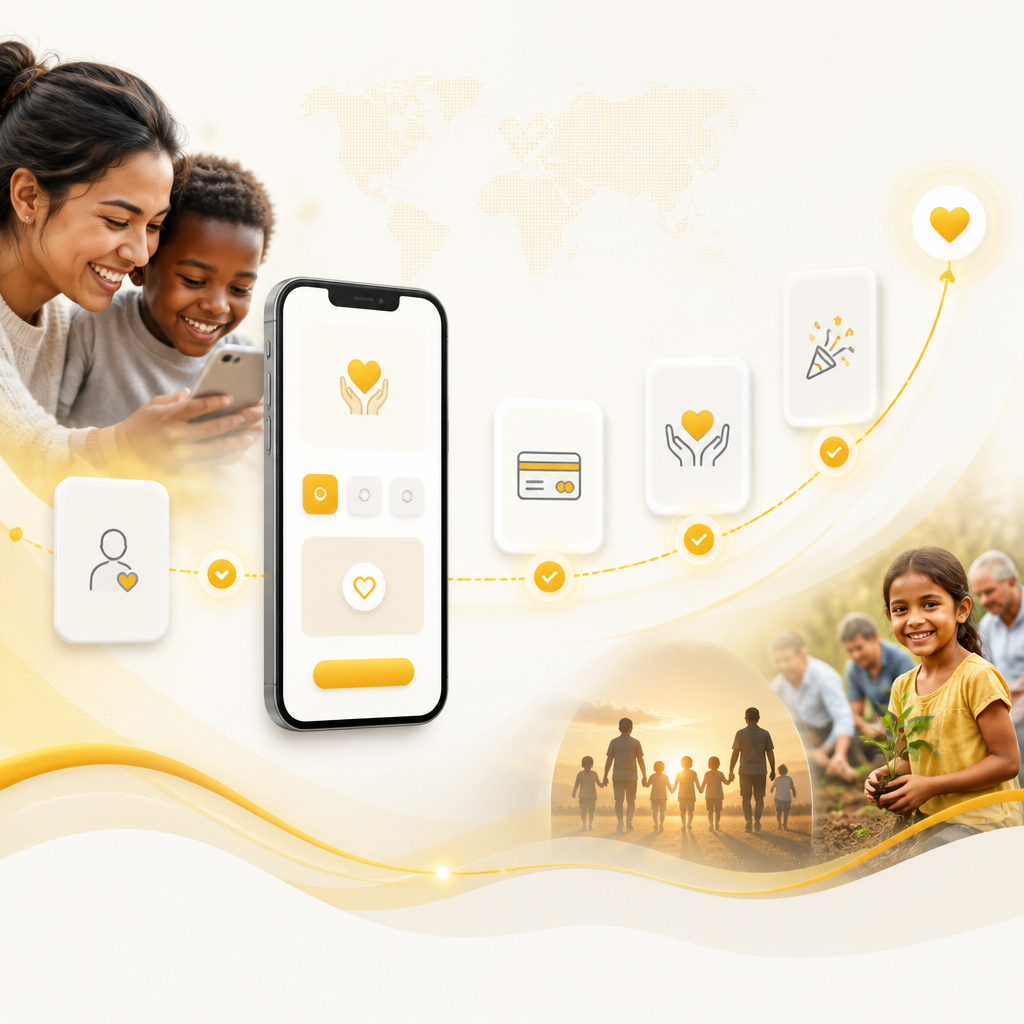
Some nonprofits benefit from an e-commerce-style approach—especially when you need structured transactions for donations, memberships, events, or recurring support. WooCommerce Development Services can help you adapt WooCommerce workflows for nonprofit use cases, such as:
A custom agency can tailor WooCommerce templates, design, and checkout behavior so the experience still feels nonprofit-focused—not like a generic storefront.
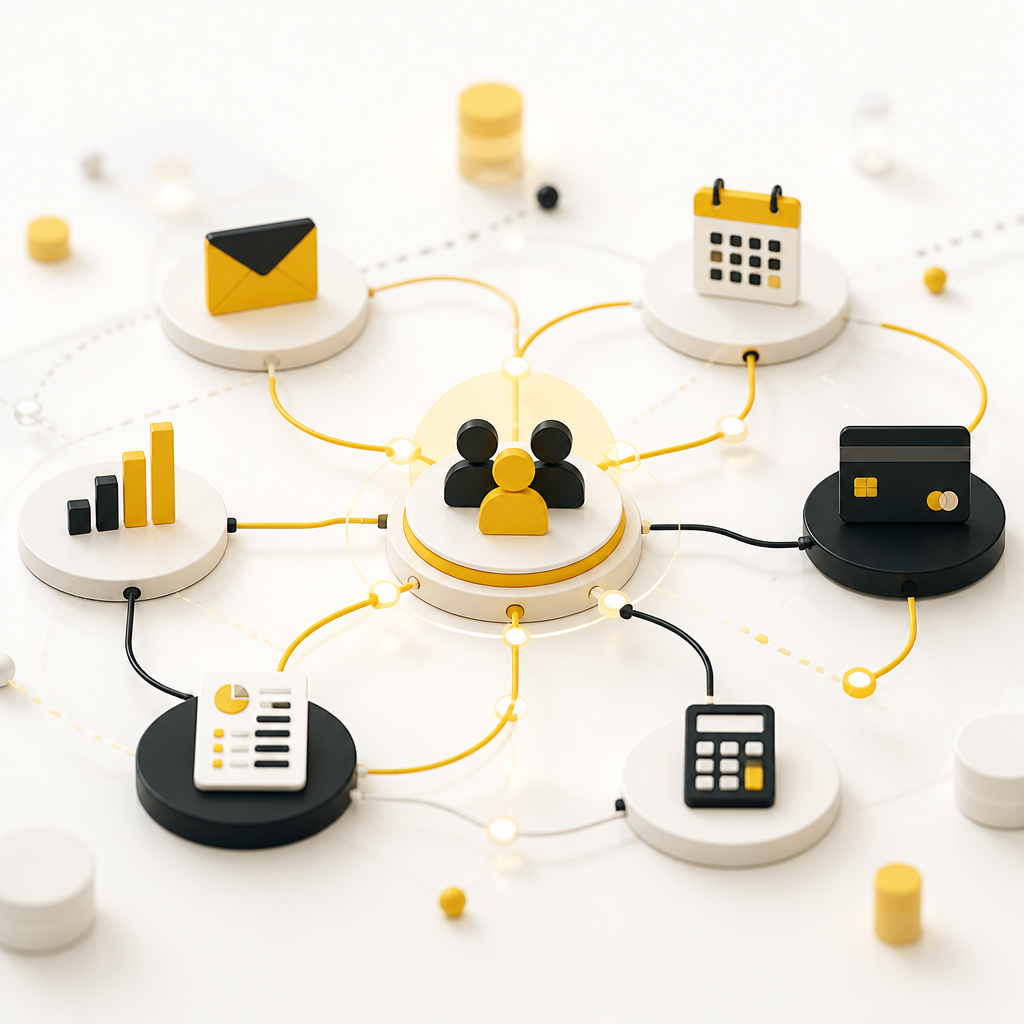
A donation or volunteer portal becomes powerful when it connects to the tools nonprofits already rely on. Full-stack development supports integrations using APIs and automation so data stays consistent.
Instead of copying data between systems, your platform can automate the flow of information from user action → database update → staff view → communication triggers.
Nonprofits often need to do more with limited capacity. Full-stack systems can automate routine work, such as:
AI can be used thoughtfully to support operational efficiency—like assisting with categorization, answering common questions, or improving internal workflows—while keeping humans in control where it matters.
Donation and member data require careful handling. Full-stack development should include security best practices such as:
For nonprofits, trust is part of the experience—protecting donor information supports credibility and long-term relationships.
Generic platforms can get you live quickly, but they often fall short when your nonprofit needs grow. Custom full-stack development helps you avoid limitations like:
With a custom approach, your digital system is built around your organization’s goals and real-world operations—not the other way around.
When choosing custom web software agencies (or a full-stack partner) for nonprofit digital platforms, prioritize:
This is how you get a platform that’s not only built well, but also stays reliable as your organization evolves.
Here are practical ways full-stack development supports real nonprofit needs:
A full-stack build usually follows a structured process:

If you want to know whether you need custom full-stack development, consider:
If you answered “yes” to multiple items, a custom platform can significantly reduce manual effort and improve user experience.
Full-stack development builds both the user experience (front-end) and the system behind it (back-end), including databases, admin panels, integrations, and automation—so nonprofits can manage donations, volunteer intake, events, and member workflows in one connected platform.
It improves conversion by making donation flows faster, easier to complete on mobile, more trustworthy (clear confirmations), and more streamlined (fewer steps, better UX, and accurate routing of donor data for follow-up).
Yes. Many nonprofits use WooCommerce-like workflows for structured transactions such as memberships, recurring giving, event registration, or donation products—especially when tailored through design and integration.
Common integrations include a CRM/donor database, email automation tools, payment gateways, and reporting or internal systems—so user actions automatically update records and trigger communications.
In most cases, yes. Admin dashboards help staff manage donations, volunteer applications, event registrations, member access, and communication workflows without manual coordination.
Security should include secure authentication, role-based access, protection against common web vulnerabilities, and careful handling of transaction workflows through payment processor requirements.
Nonprofits don’t just need a website—they need a digital system that supports donors, volunteers, members, and staff with a seamless Digital Customer Experience. With custom full-stack development, you can build donation platforms, volunteer portals, event systems, and member dashboards that connect data, automate communications, and scale as your mission grows. When the use case fits, WooCommerce Development Services can provide a structured foundation for giving and memberships—customized to your nonprofit’s needs.