
SHAKIR ANSARI
Product innovation teams move fast—but “fast” often breaks down when workflows are hard-coded, undocumented, or too dependent on tribal knowledge. A configurable workflow system helps you standardize how work moves from idea to release, while still allowing teams to adapt steps per product, customer segment, or environment.
In this guide, you’ll learn how to set up Configurable Workflows and present them on a Developer Website so product, engineering, and operations teams can collaborate without friction.
Configurable workflows are business and engineering processes defined in a structured way (states, triggers, rules, and actions) so they can be modified without rewriting the entire system.
Typically, a configurable workflow includes:
For product managers and innovation teams, this means your process becomes a product artifact—versionable, reusable, and measurable.

When workflows are configurable, teams can follow the same release and quality expectations—while customizing details where needed.
Experimentation becomes safer when approvals, validations, and policy checks are built into the workflow configuration.
Instead of relying on scattered handoffs (Slack messages, spreadsheets, ad-hoc checklists), workflow automation can route work automatically.
PMs can define the “what” (states, rules, acceptance criteria), while engineering handles the “how” (integrations, execution, observability).
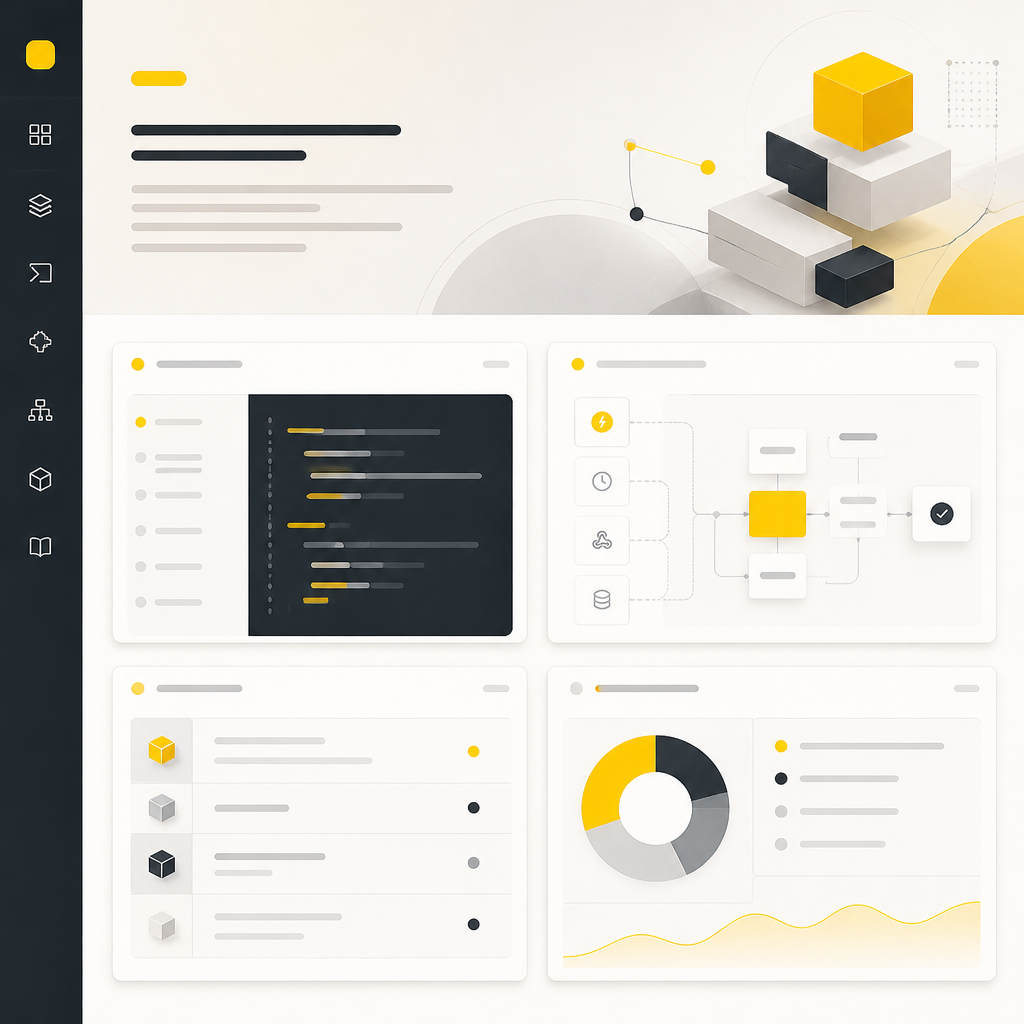
A Developer Website is the place where your configurable workflows become understandable, usable, and repeatable.
It acts as a single source of truth for:
This is especially important for teams launching digital products, improving customer-facing applications, or adding new features—because workflow knowledge needs to be accessible beyond the original builder.
Across developer ecosystems, successful tooling commonly shares two traits:
When you design your workflow platform, borrow the same principles:
This alignment helps innovation teams move from “idea” to “running workflow” with fewer surprises.
Start with one high-impact process, such as:
Tip: Pick a workflow with clear stages and measurable success criteria.
For each stage, define:
This is where PM input matters most: it turns product intent into operational reality.
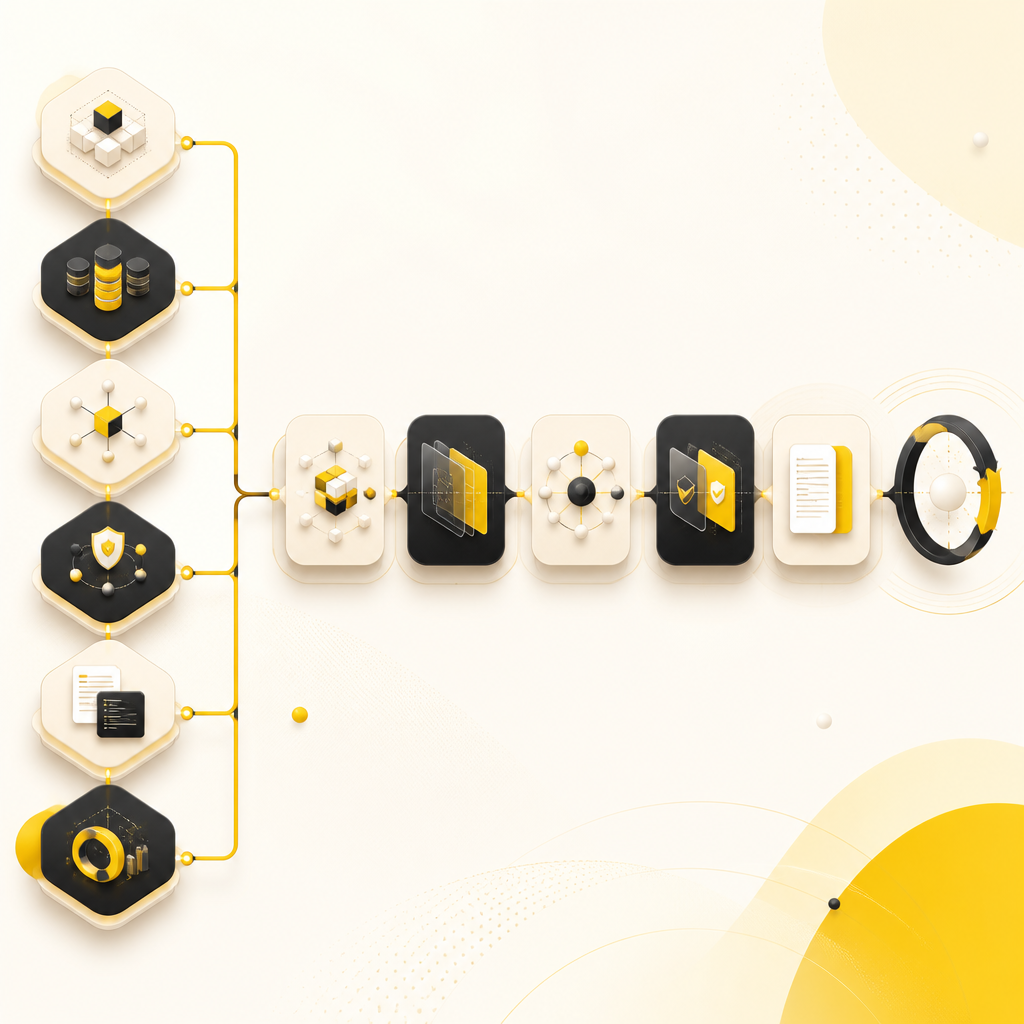
To keep workflows truly configurable, define what can change safely:
Your goal is to avoid “configuration chaos.” A schema creates guardrails.
Configurable workflows need predictable deployment and rollback behavior.
Plan for:
Common integrations include:
This is where full-stack and API integration capabilities matter.
To support customer-facing quality, configure:
Your developer website should teach teams how to use the system end-to-end.
Include:
The developer website turns workflow “tribal knowledge” into repeatable onboarding.
A workflow platform should be measurable.
Track:
Then iterate on configuration and documentation so teams improve continuously.
Use these outcome metrics to show impact to leadership:
It means the workflow’s stages, rules, triggers, and actions can be updated through configuration (with validation and governance), rather than requiring a full software rewrite.
Both. PMs typically define stages, outcomes, and acceptance criteria; engineers define execution, integrations, permissions, and technical guardrails.
At minimum: setup steps, workflow reference (states/triggers/actions), required variables, example configurations, API/webhook docs, and troubleshooting guidance.
Use a configuration schema, environment/versioning strategy, permission controls, validation rules, and a documented promotion process.
No. AI can optionally enhance decisions (e.g., prioritization), but configurable workflows provide value through standardization, automation, and clear governance first.
Setting up Configurable Workflows helps innovation teams standardize how product work moves from idea to release—while still allowing safe customization. Pair that with a well-organized Developer Website, and you give teams a clear, self-serve path to adopt, configure, and troubleshoot workflows without relying on individual experts.
If you want help designing configurable workflow systems, integrating the systems that trigger them, and publishing the documentation on a developer website, explore how Shakir Ansari – Full Stack Developer & AI Automation Solutions can support your digital product roadmap.