1) What does full-stack development include for digital product businesses?
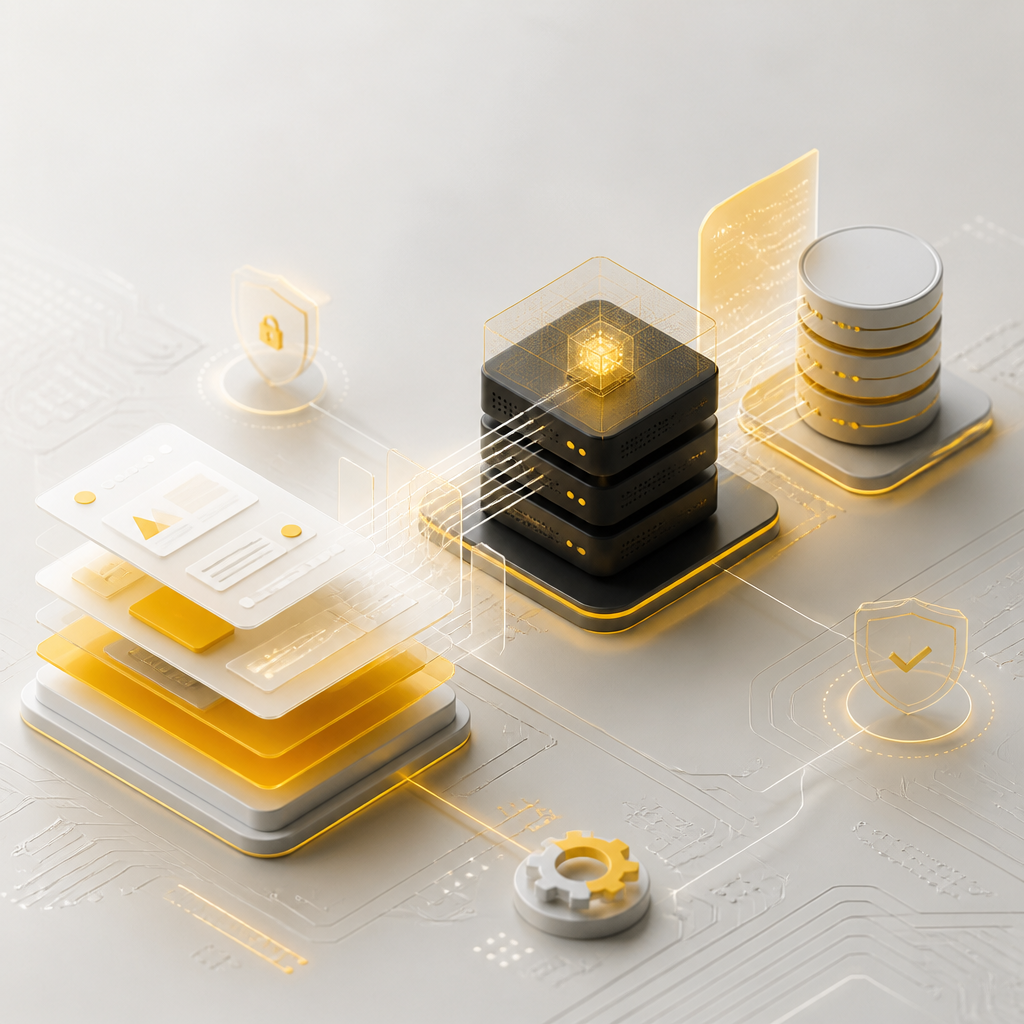
It includes front-end UI (portals and dashboards), back-end systems (business logic, user access rules, payments), databases, API integrations, security improvements, performance optimization, and ongoing maintenance.
2) Can full-stack development handle user access controls for memberships and courses?
Yes. A custom platform can enforce role-based and tier-based permissions, so only eligible users can view content, download assets, or access specific features.
3) How do payment gateways connect to digital access on a platform?
Typically, payment gateway events and webhooks trigger server-side logic that updates entitlements—granting or changing access automatically after successful transactions or subscription updates.
4) Do I need a custom platform, or can I use a template?
Templates can limit you when you need advanced permissions, deeper integrations, custom dashboards, automation workflows, and security hardening. Custom full-stack development is often the right fit for growing digital product businesses.
5) What APIs should a digital product platform integrate with?
Common integrations include CRM/ERP systems, email marketing tools, analytics platforms, support/helpdesk systems, storage/CDN for delivery, and internal automation services.
6) Can full-stack development support AI-powered features later?
Yes. A well-built platform with clean APIs and secure architecture makes it easier to add AI automation features without rewriting your entire system.