
SHAKIR ANSARI Full Stack Developer & AI Automation Solutions

How to Hire a Full-Stack Developer for Custom Software & Mobile Apps

Small and medium-sized businesses don’t need a large in-house dev team to build modern digital products. The fastest path is often hiring a full-stack developer (or a full-stack delivery team) to design, build, and integrate custom software—plus ship mobile app experiences when needed.

book full stack development consultation

10+ years of experience

delivering software projects

1300+ web applications

developed across real business use cases

Automation & AI-powered tooling

to reduce repetitive work and improve efficiency
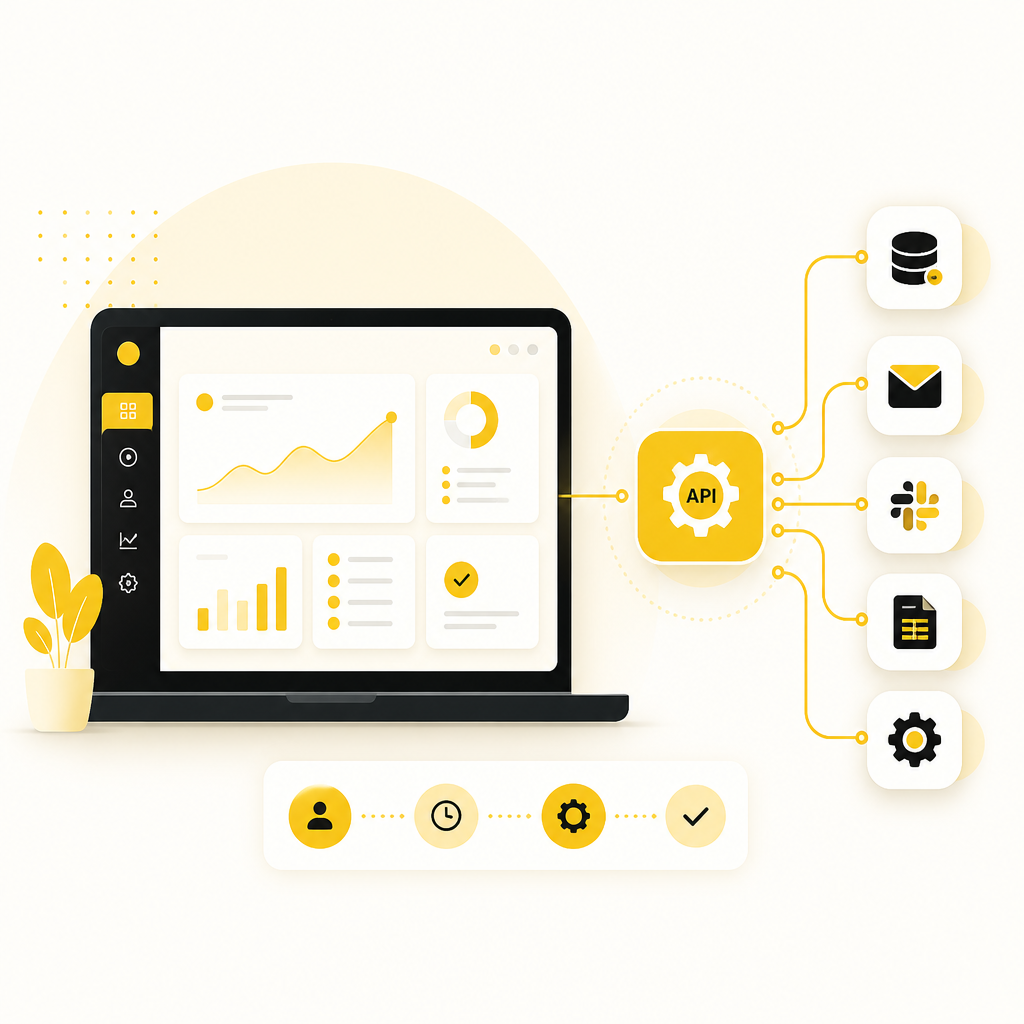
Illustration representing custom software development for SMBs, including web portals, API integrations, and workflow automation.

What “Custom Software Development” Means for SMBs

Custom software development is building software that’s tailored to your business processes instead of forcing your workflow around a generic template.

For SMBs, custom development often includes:

  • Custom websites and web platforms (marketing sites, portals, dashboards)
  • Web applications with roles, workflows, and business logic
  • API integrations to connect tools you already use (CRM, accounting, support, payments)
  • SaaS platforms (multi-tenant products, admin panels, billing integrations)
  • E-commerce solutions (Shopify/WooCommerce-style storefront capabilities)
  • Workflow automation to reduce repetitive manual tasks
  • AI-powered features (assistants, agents, and automation logic where it improves operations)

When you hire a developer, your goal should be clarity: what problem the software solves, who uses it, and how it improves speed, accuracy, customer experience, or revenue potential.

Why Full-Stack Development Works for Custom Software Projects

Full-stack development covers both front-end and back-end—which matters for SMBs because it reduces handoffs and accelerates delivery.

1) Front-end (what users see)

  • UI development with modern frameworks (e.g., React)
  • Responsive design for web and mobile-ready experiences

2) Back-end (what powers the system)

  • APIs and business logic
  • Databases and authentication/authorization
  • Integrations with third-party services

3) Deployment and scalability basics

  • Build pipelines
  • Environment setup (dev/staging/production)
  • Monitoring and iterative improvements

For SMBs, this combined ownership helps you move from “ideas” to “working software” with fewer coordination gaps.

When You Need to Hire a Developer (Common SMB Triggers)

You may want to hire a full-stack developer when:

  • Your business outgrows a template and needs custom workflows
  • You need to connect multiple tools via API integrations
  • Manual processes (spreadsheets, copy/paste, approvals) slow teams down
  • You want a customer-facing web portal or internal operations dashboard
  • You’re building a SaaS-style offering that needs reusable components
  • You want to add mobile app experiences to reach customers where they are

If your current systems are hard to maintain, don’t scale, or can’t integrate cleanly, that’s a strong signal to pursue custom software development.

How Mobile App Development Services Fit Into Full-Stack Projects

Mobile app development often starts after the core workflow is defined. A strong delivery approach ensures the app and the back-end are designed together.

Typical mobile outcomes include:

  • React Native mobile apps for shared logic across platforms
  • User authentication and role-based access
  • Push notifications (where relevant)
  • Offline/online considerations for field workflows
  • Seamless API connections to your web platform

When you hire a developer for mobile app development services, look for someone who can align:
  • the mobile UI/UX with your business goals,
  • the app architecture with your back-end APIs,
  • and the overall release process.
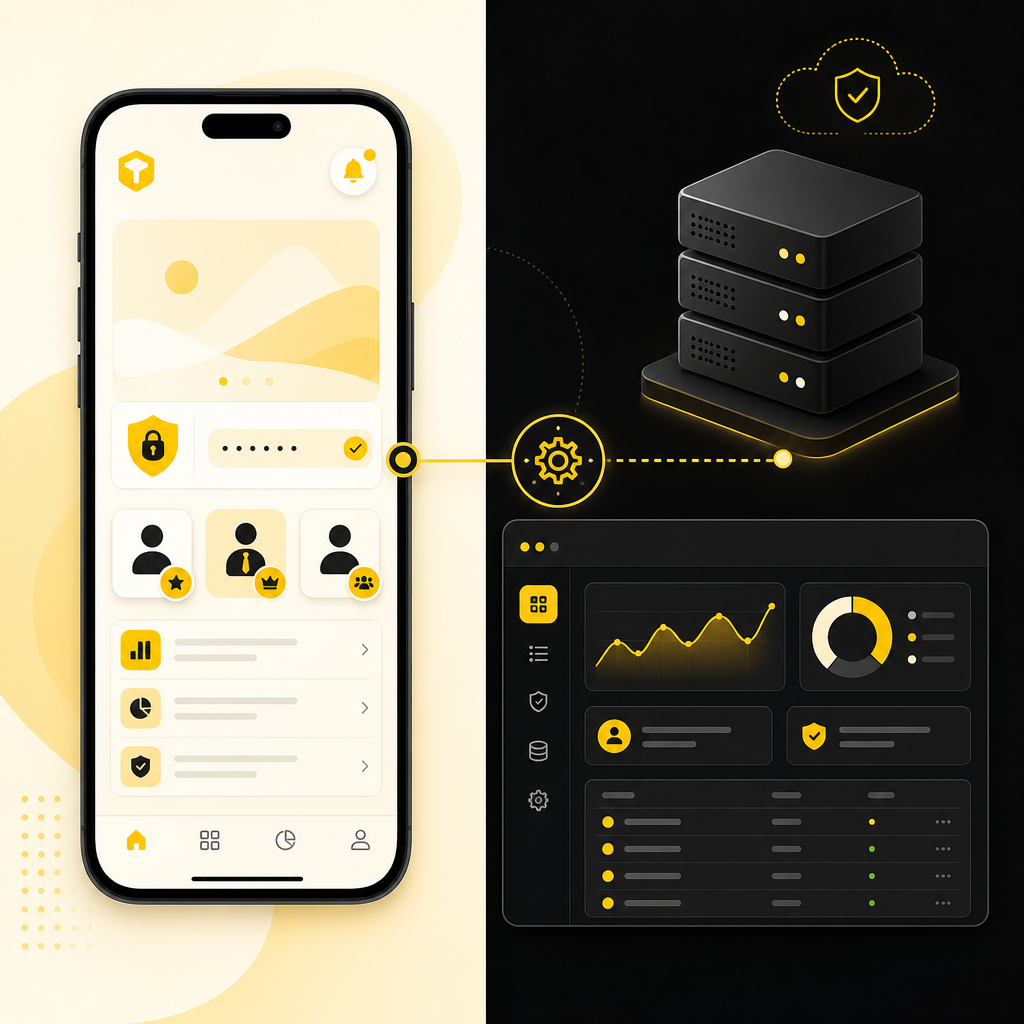
Illustration showing how mobile app development connects to full-stack back-end APIs and workflows.

What to Look For When You Hire a Developer for Custom Software

Hiring criteria should be practical. Beyond “coding ability,” focus on delivery capability and business fit.

Technical capability (must-have)

  • Experience building custom web applications
  • Ability to design and maintain APIs
  • Comfort with front-end + back-end alignment
  • Mobile app delivery experience (for mobile scope)
  • Integration experience (CRM, payments, support tools, etc.)

Delivery process (how they work)

Ask how they handle:

  • requirements discovery (what they gather upfront)
  • milestone planning and iteration
  • quality assurance (testing strategy)
  • deployment and post-launch support

Communication and ownership

Look for clear communication around:

  • risks and tradeoffs
  • timelines and dependencies
  • how feedback changes are managed
  • how decisions are documented

Security and reliability mindset

Even SMB projects benefit from:

  • secure authentication/authorization
  • data protection practices
  • stable performance under growth expectations

Scope Examples: Custom Software + Mobile App + Integrations

Below are common engagement scopes for SMBs that want one cohesive build rather than disconnected vendors.

Example 1: Customer portal + mobile access

  • Web application for customer profiles and requests
  • Mobile app for notifications and request status updates
  • API integrations with support and CRM tools
  • Workflow automation for approvals and routing

Example 2: E-commerce operations automation

  • E-commerce storefront enhancement or migration support
  • Order management dashboard
  • Automated sync between e-commerce platform and internal systems
  • Admin tooling to reduce manual reporting

Example 3: SaaS platform feature expansion

  • Multi-role web admin dashboard
  • API layer and scalable architecture improvements
  • Mobile app onboarding enhancements
  • Instrumentation and ongoing iteration based on usage

When you hire a developer, confirm that they can handle the full chain: UI → APIs → integrations → deployment → ongoing improvements.
A Simple Checklist to Evaluate Full-Stack & Mobile Delivery

  • Portfolio relevance: similar projects (dashboards, portals, integrations, automation)
  • Stack transparency: know what they’ll use and why
  • API approach: how they design endpoints and handle integrations
  • Automation fit: whether they understand workflows and operational outcomes
  • Mobile capability: mobile delivery timeline and how it connects to back-end
  • Testing approach: how they verify functionality before launch
  • Support plan: how issues are handled post-release
  • Scalability readiness: how they plan for growth
  • Documentation habits: clarity on handover and future changes

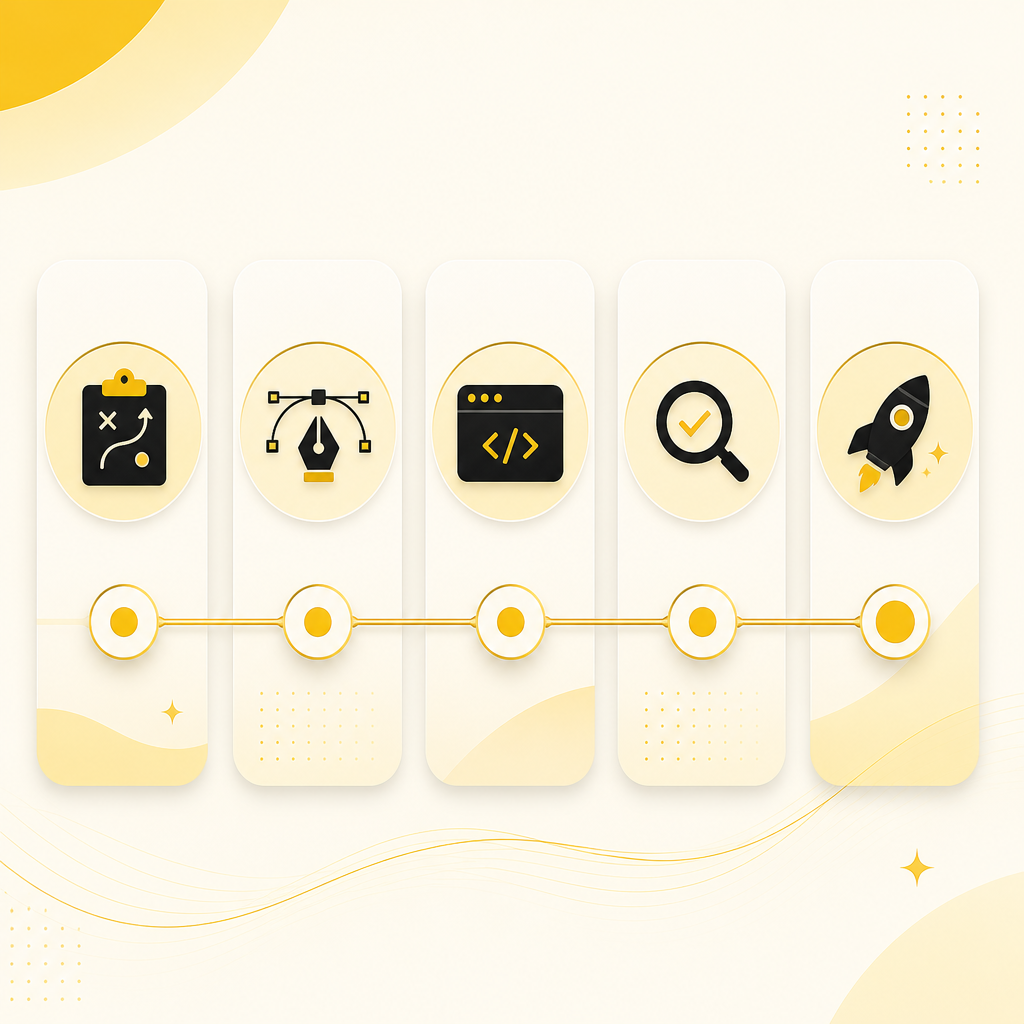
Illustration of a five-stage development process pipeline from planning to launch.

What to Expect in the Development Process

While every project differs, a typical process looks like this:

1

Discovery & planning

  • define goals, users, and success criteria
  • map workflows and integrations needed

2

Architecture & design

  • UI/UX direction (web + mobile if included)
  • API and data model planning
  • security and access considerations

3

Build & iterate

  • development in phases with visible progress
  • regular check-ins and adjustments

4

Testing & stabilization

  • functional checks, integration validation, and regression testing

5

Launch & improvements

  • deploy to production
  • fix issues and refine based on feedback
  • plan follow-up enhancements

This structured approach is especially important for SMBs because it reduces rework and keeps the project aligned with business priorities.

Why Shakir Ansari & RTP Team Are a Fit for SMBs Building Custom Software

If you’re looking to hire a developer to deliver custom-coded solutions, Shakir Ansari – Full Stack Developer & AI Automation Solutions with the RTP team focuses on practical business outcomes:

  • 10+ years of experience delivering software projects
  • 1300+ web applications developed across real business use cases
  • Full-stack delivery for custom websites, web applications, and API integrations
  • Mobile app development services when you need a modern app experience
  • Automation and AI-powered business tooling to reduce repetitive work and improve efficiency

For SMBs, the goal is simple: build reliable digital systems that scale, integrate cleanly, and support growth.

Frequently Asked Questions

1 Should an SMB hire a full-stack developer or separate specialists?

If your project includes web + APIs + integrations (and possibly mobile), a full-stack approach often reduces handoffs and speeds up delivery. Specialists can be useful for narrow tasks, but SMBs usually benefit most from cohesive ownership.

2 What counts as custom software development for businesses?

Custom software development typically includes building tailored workflows, user roles, dashboards, portals, integrations, and automation—plus designing the software so it supports your evolving business needs.

3 Can mobile app development be added after a web application exists?

Yes. Many teams start with the core web workflow and then build mobile app experiences that reuse the same APIs. The best results come from planning the integration approach early.

4 Do you build API integrations as part of custom software development?

Yes. API integrations are usually part of the custom build, especially when you need to connect your product to existing tools like CRM, payments, support systems, and internal databases.

5 How do workflow automation and AI fit into custom software projects?

Workflow automation replaces manual steps with automated triggers and routing. AI features can be added where they improve decision-making, support, or productivity—when the business problem clearly justifies it.

6 What should we prepare before we hire a developer?

Expect to gather your goals, target users, key workflows, must-have features, and the tools you need to integrate. The clearer your requirements, the faster development can begin.

7 What deliverables should we expect from a custom software engagement?

Common deliverables include a working web application (and mobile app if included), documented API endpoints, deployed environments, testing validation, and a support path for improvements after launch.

8 Is SEO or marketing support included in custom web projects?

Many custom web engagements include SEO-focused implementation and performance best practices. If SEO is a priority, discuss it during discovery so it’s built into the foundation.

Conclusion: Hire a Developer to Build Custom Software That Fits Your Business

For SMBs, hiring a full-stack developer for custom software development (and mobile app development services when needed) is a practical way to build scalable digital systems without managing a full in-house team.

If you want custom-coded websites, full-stack applications, API integrations, and AI automation that connect to your real workflows, explore Shakir Ansari – Full Stack Developer & AI Automation Solutions and learn how the RTP team can help you build the software your business needs.

Explore full-stack and AI automation custom software development options  with Shakir Ansari & the RTP team.

Explore full-stack and AI automation custom software development options