
SHAKIR ANSARI

Full Stack SaaS Development for Scalable Platforms

If you’re a SaaS founder, you don’t just need pages—you need a working product. Full Stack Development helps businesses build complete digital products from front-end design to back-end systems.

Front end + back endFrom UI to backend systems
Payments + APIsSubscriptions and integrations
Automation-readyBuilt to grow

Complete SaaS delivery

Full Stack Development That Turns Ideas Into Scalable SaaS

Custom full-stack development for businesses that need reliable, scalable, and automation-ready web applications. From UI to backend systems—built to grow.

Product foundations

Custom web application development, user accounts, roles, portals, databases built for performance and scale.

Revenue systems

Subscription and billing systems, e-commerce, payment gateway integrations, and checkout-ready functionality when needed.

Operations + automation

Dashboards, admin panels, API development, third-party integrations, automation-ready workflows, security improvements, and ongoing upgrades.
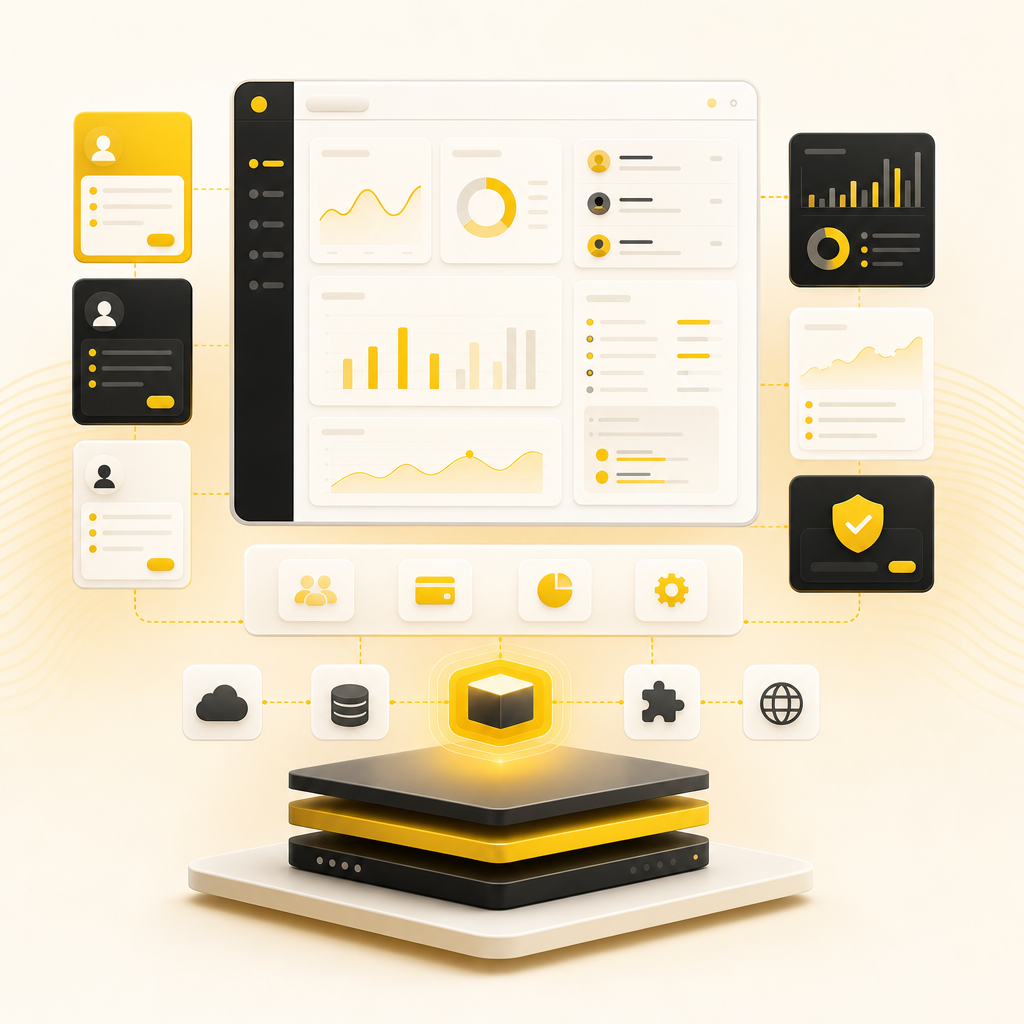
Premium SaaS dashboard illustration showing authentication, subscriptions, admin panels, integrations, and scalable architecture.

Beyond basic websites

Why SaaS Founders Need More Than “Just a Website”

Most founders start with templates or basic website builds. That’s fine for marketing—but it breaks down when you need authentication, subscription logic, admin dashboards, data workflows, reliable integrations, and scalable architecture that won’t collapse after traction.

A website can’t do what a SaaS platform must do. Your product needs software development, not just design. Explore related website development capabilities for production-ready digital systems.

Authentication and user roles
Trials, recurring billing, upgrades
Approvals, reporting, user management
CRMs, ERPs, marketing tools, payments

Build type clarity

Website vs Web App vs SaaS

Website

  • Mostly informational content
  • Minimal user interaction
  • Limited data logic

Web Application

  • Users perform tasks
  • Requires backend systems, databases, and auth
  • Integrations become essential

SaaS Platform

  • Multi-tenant or business-ready architecture
  • Subscription and billing
  • Dashboards, admin controls, APIs, automation, and scalable performance

If your product delivers value through recurring access, billing, dashboards, and workflows—you’re building SaaS.

End-to-end scope

What Full Stack SaaS Development Includes

1

Front-End Development

Modern frameworks such as React for fast, responsive UI, onboarding flows, role-based experiences, and dashboard UX designed for daily use.

2

Back-End Development

Stacks such as PHP, Laravel, and Node.js as needed for business logic, APIs, scalable services, and background jobs for automation.

3

Database Design

Clean data models, reporting readiness, safe migrations and versioning, and high availability patterns when required.

4

Authentication + Admin Panels

Login and signup flows, role-based access control, admin dashboards, audit trails, and operational visibility.

5

Subscriptions + Payments

Plans, tiers, trials, renewals, upgrade and downgrade flows, webhooks, and payment status sync to user entitlements.

6

APIs + Integrations

CRMs, ERP systems, internal tools, marketing platforms, notification services, data pipelines, and workflow automation tools.

Workflow automation

How Full-Stack Development Helps You Automate Daily Business Tasks

Custom SaaS platforms can replace manual work with software workflows like lead capture to CRM updates, ticket routing to SLA tracking, booking to calendar sync, report generation, and billing events to entitlement updates.

Result: less manual effort, fewer errors, and faster scaling. For workflow and AI-powered options, explore ai automation services.
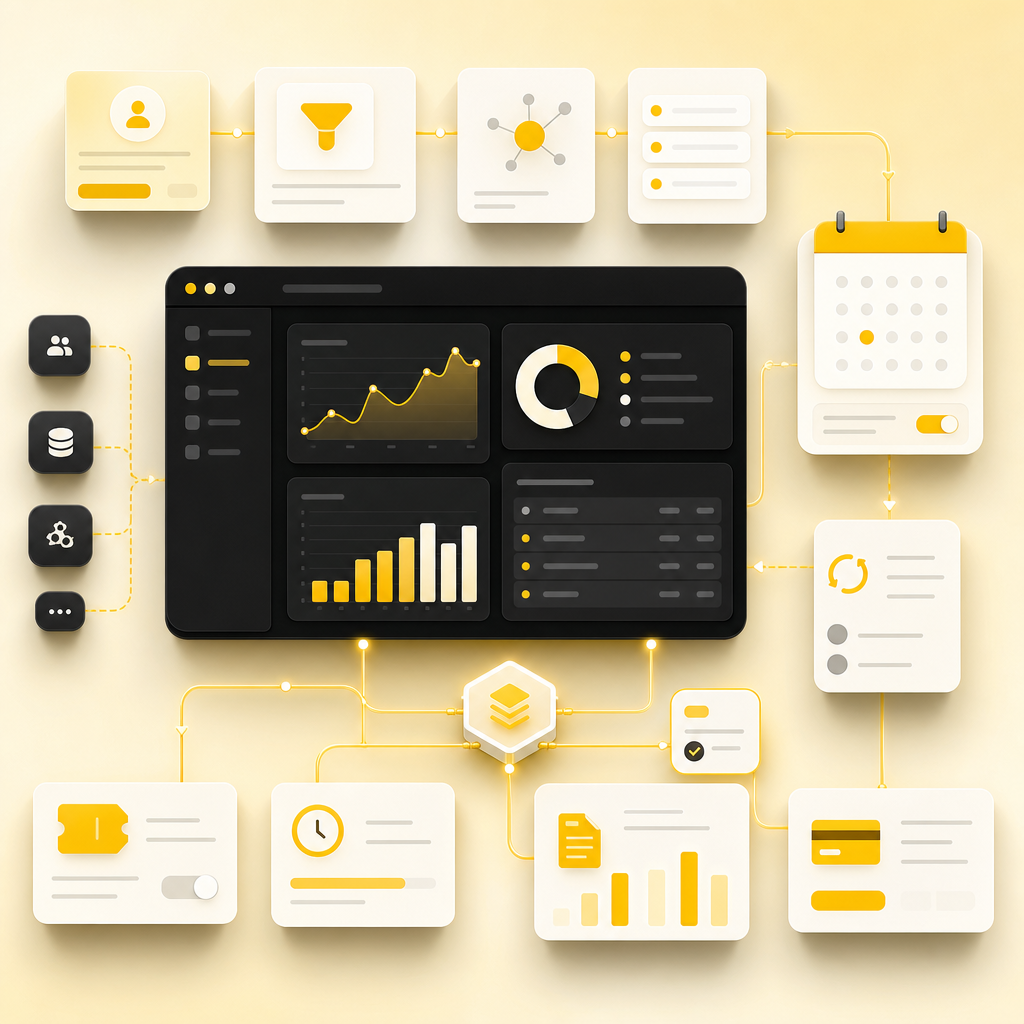
Automation-ready platforms can include

  • Workflow automation for repetitive tasks
  • Scheduled jobs and event-driven actions
  • AI-powered business automation and AI agents for internal efficiency

SaaS automation dashboard illustration with workflow cards, analytics panels, billing updates, and connected business processes.

Systems you can build

Real SaaS Systems Full-Stack Builds Can Power

Booking and scheduling platforms with dashboards and admin controls
Client portals for access, files, status updates, and reporting
B2B CRM-style tools with role-based workflows
Internal operations dashboards for users, billing, and KPIs
SaaS products with subscriptions, user management, and API-driven extensions
AI-powered business tools that automate tasks and support decision-making

If you can describe the workflow, full-stack development turns it into a usable product.
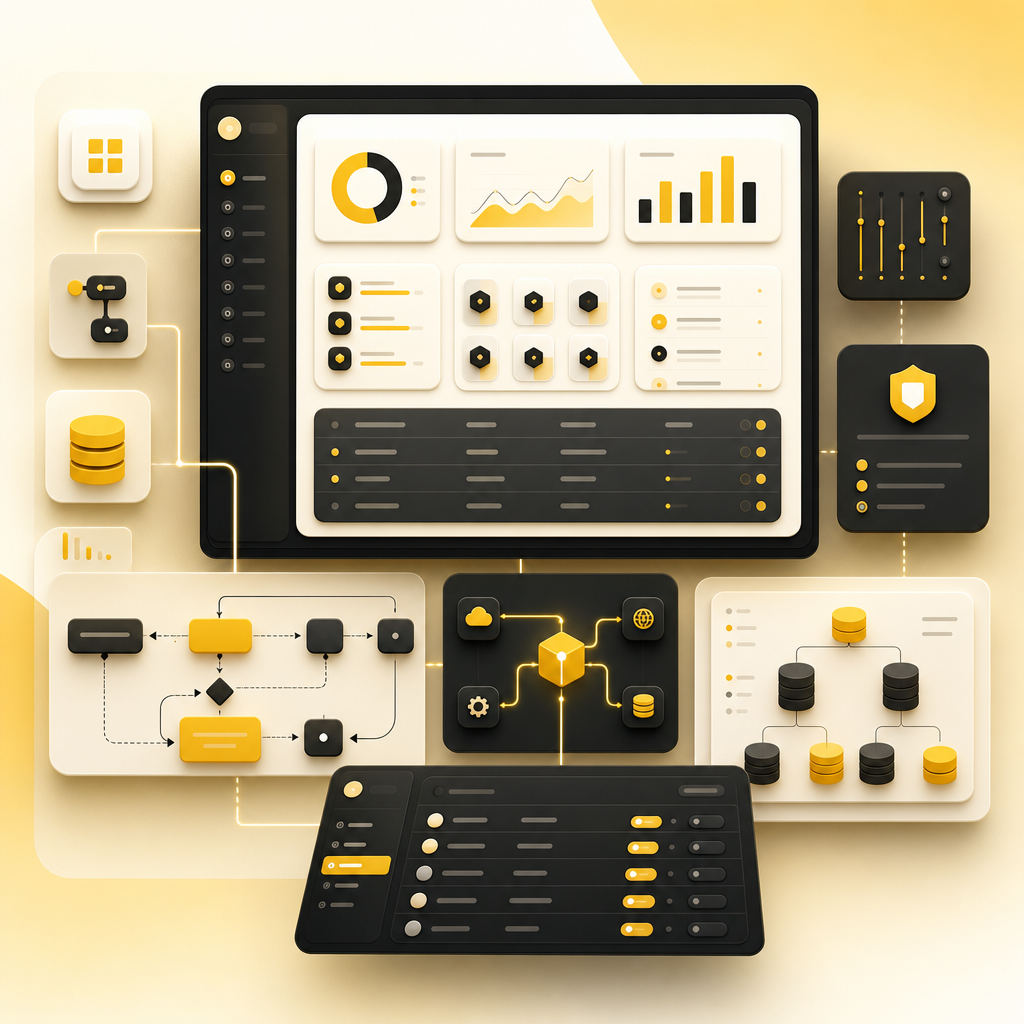
Custom SaaS platform illustration with tailored workflow modules, integration nodes, database panels, and admin dashboard controls.

Custom advantage

Why Build Custom Instead of Relying on Off-the-Shelf Software

Off-the-shelf tools are quick—but they rarely match how your business actually works. Custom full-stack development gives you exact workflows tailored to your customers, cleaner data structures aligned to your growth plans, better integration control, unique dashboards, and competitive differentiation.

For tailored build requirements, review custom web development sevices designed around your workflows.

Cleaner delivery

One Team for Front-End + Back-End = Faster, Cleaner SaaS Delivery

When you hire separate teams for design and engineering, handoffs slow everything down. With full-stack delivery, UI and backend logic evolve together, miscommunications reduce, iteration moves faster, and architecture decisions stay consistent.

Subscriptions
Payment webhooks
Admin permissions
Integrations and automation jobs

Launch process

The Full-Stack Development Process

1. Discovery & Product Mapping

Define user roles, workflows, billing rules, and integration needs.

2. Architecture & Planning

Design scalable backend services, data models, and API structure.

3. UI/UX + Front End

Build onboarding, dashboards, and user experiences that drive activation.

4. Back End + Database

Implement authentication, business logic, and robust data storage.

5. Integrations

Connect APIs, CRM, payments, notifications, and webhooks.

6. Dashboards + Admin Panel

Build operational controls so you can run the business day-to-day.

7. QA + Optimization

Launch-ready testing, security checks, and performance hardening.

8. Launch + Maintenance

Add features, improve workflows, and scale as demand grows.

Ready to map the scope? Book full stack development consultation.

Capabilities

Tech & Capabilities

The RTP team supports custom-coded digital solutions for SaaS and web platforms, with experience across full-stack development, Laravel, PHP, Node.js, React, mobile app support, WordPress, Shopify, WooCommerce, API integrations, SaaS platform development, workflow automation, AI-powered business automation and AI agents, and seo services when marketing readiness is required.

Why choose SHAKIR ANSARI

SaaS Development With Real Product Systems Experience

  • 10+ years of experience
  • 1300+ web applications developed
  • Custom-built solutions across dashboards, SaaS platforms, APIs, and automation
  • Automation-ready builds that improve operations
  • AI-powered automation options to help businesses work faster and smarter

Self-assessment

SaaS Development Checklist

✓ User accounts, roles, and permissions
✓ Subscription plans + billing workflows
✓ Admin dashboard + operational tooling
✓ APIs + third-party integrations
✓ Database design for performance
✓ Security and scalability planning
✓ Automation-ready workflow support
✓ Ongoing maintenance + feature upgrades

If any of these are missing, your SaaS may hit growth bottlenecks fast.

SaaS founders ask

Frequently Asked Questions

What does full stack development mean for SaaS?
Full stack development builds the complete product: front end (UI/dashboard), back end (APIs/business logic), databases, authentication, subscriptions, admin panels, integrations, and automation workflows.
Can you build SaaS subscriptions and payment systems?
Yes. Full stack SaaS builds commonly include subscription plans, recurring billing flows, payment gateway integrations, and webhook-based entitlement updates.
How do API integrations help a B2B SaaS?
APIs let your SaaS connect with CRMs, ERPs, marketing tools, internal systems, and automation services—so data moves correctly and workflows stay reliable.
Is full stack development better than using templates?
For SaaS, templates usually become limiting. Custom full stack development enables your exact workflows, billing rules, dashboards, and integrations—built for scale.
Do you support security and performance for scalable platforms?
Yes. A proper full stack build includes security improvements, performance optimization, and scalability-focused architecture choices.
Can you add AI automation to a SaaS platform?
Yes. Depending on your use case, we can integrate AI-powered automation and AI agents to reduce repetitive work and improve operational efficiency.

Ready to build?

Ready to Build Your Scalable SaaS Platform?

Custom full-stack development for founders who need reliable, scalable systems—front-end to back-end, with payments, dashboards, APIs, and automation built in.

Start Your Project
Book a Discovery Call