
SHAKIR ANSARI

Interactive Website Development for Product Launches

When you launch a new product or service, your website can’t just “look good.” It needs to educate visitors quickly, capture intent, and move people toward the next step—demo requests, sign-ups, purchases, or qualified sales conversations.

Interactive website development combines Web Design & Development with engaging experiences (like demos, quizzes, calculators, and guided flows) to turn launch traffic—especially from Social Media Marketing—into measurable leads.

Why a website matters more during a product launch

Product launches create a short window where attention is high and decision-making is active. An effective launch website helps you:

  • Explain value fast: Clear messaging, structured sections, and scannable layouts reduce bounce rate.
  • Build trust quickly: Credible proof points (use cases, FAQs, integrations, testimonials) reinforce confidence.
  • Capture the right leads: Smart forms, segmentation, and conversion paths align to user intent.
  • Support your campaign everywhere: Your landing experience stays consistent across ads, social posts, and email.

A professionally developed website becomes a business asset—one that supports onboarding, lead qualification, and repeatable growth long after launch day.

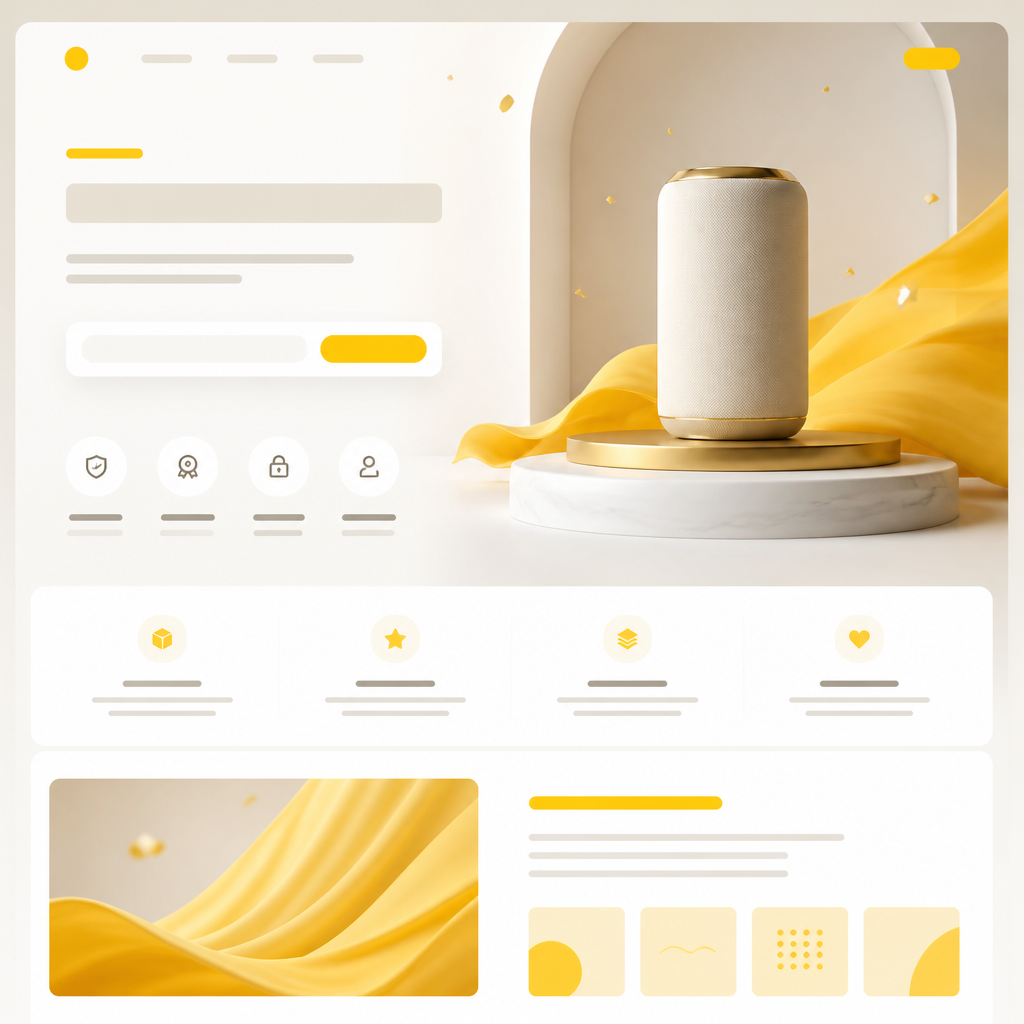
A premium editorial product-launch landing page layout visualized with abstract sections for value, trust, lead capture, and campaign consistency using brand-accent shapes and balanced spacing.

Interactive websites that educate and convert

Interactive websites are designed to respond to the visitor’s needs. Instead of static pages, they guide people through a relevant experience. Common examples for product launches include:

  • Interactive landing pages Hero sections, feature explainers, and CTAs mapped to visitor intent (e.g., “find the right plan,” “see how it works,” “request a demo”).
  • Product configurators or selectors Help visitors choose configurations or options and show results instantly.
  • Calculators and ROI estimators Turn “What’s in it for me?” into a personalized output—ideal for SaaS and service launches.
  • Guided demos and walkthroughs Step-by-step interactions that communicate product value without overwhelming the user.
  • Lead capture with context Forms that ask the right questions and route prospects to the right next step (instead of generic contact submissions).

For companies launching new offerings, interactivity reduces friction and improves conversion by making the site feel helpful—not just informative.
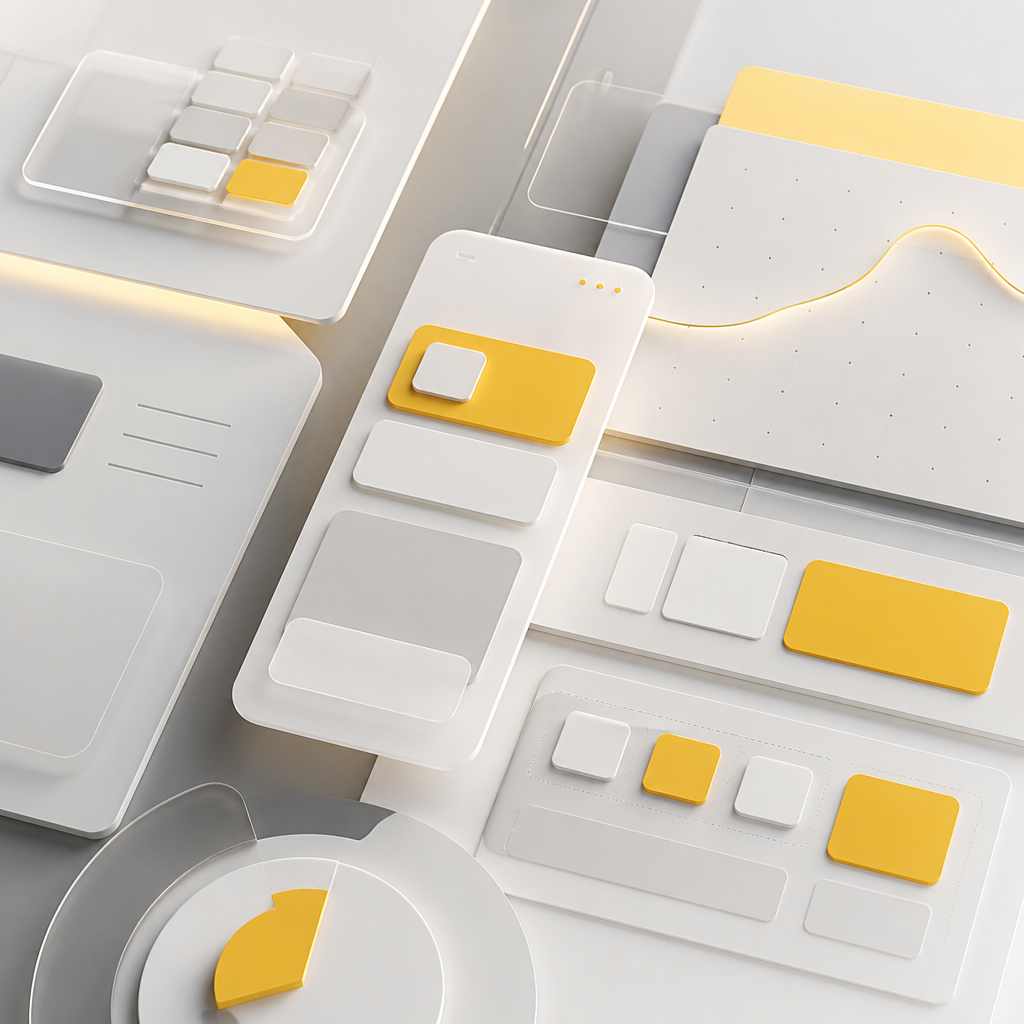
An editorial web development composition showing abstract mobile-responsive frames, structured content blocks, and conversion-focused UI zones in a brand-accent palette.

How custom Web Design & Development supports launch success

Template-based sites often limit what you can tailor for your product. Custom-built development enables launch-specific needs, including:

Speed and performance

Fast pages improve user experience and help your content reach more people. A custom build supports optimized assets, clean code, and performance-focused design.

Mobile-first UX

Launch traffic frequently comes from phones via social and paid campaigns. Mobile-responsive layouts keep the experience consistent and conversion-friendly.

Clean, SEO-friendly structure

Your launch page should be easy to crawl and easy to understand. A well-structured website supports discoverability and helps searchers find the right offer.

Conversion optimization (CRO)

Conversion-focused design decisions can include:

  • CTA hierarchy (primary vs. secondary actions)
  • Reduced distractions and better visual flow
  • Clear messaging that matches campaign expectations
  • Trust elements placed where users need them

Custom functionality where it matters

Depending on your product, you may need features like:

  • CMS updates without developer dependency
  • e-commerce storefronts
  • gated content for lead capture
  • account flows, onboarding pages, and status updates
  • interactive components embedded into your marketing pages

Connecting Social Media Marketing to your website

Social media marketing drives attention, but your website is where attention becomes action. To create a seamless journey:

  • Match the landing page to the campaign Visitors should see the same offer, creative promise, and messaging angle they clicked from the social post.
  • Use tracking to learn what’s working Proper analytics and event tracking help you identify which posts, audiences, and hooks generate qualified leads.
  • Support retargeting and follow-up When visitors don’t convert immediately, your website can guide them to the next step (demo, email capture, feature walkthrough, FAQ).
  • Build shareable launch experiences Interactive elements (calculators, demos, tailored results) increase engagement and improve the likelihood of further sharing.

When your Social Media Marketing and interactive website experience work together, your launch becomes a repeatable system—not a one-time event.

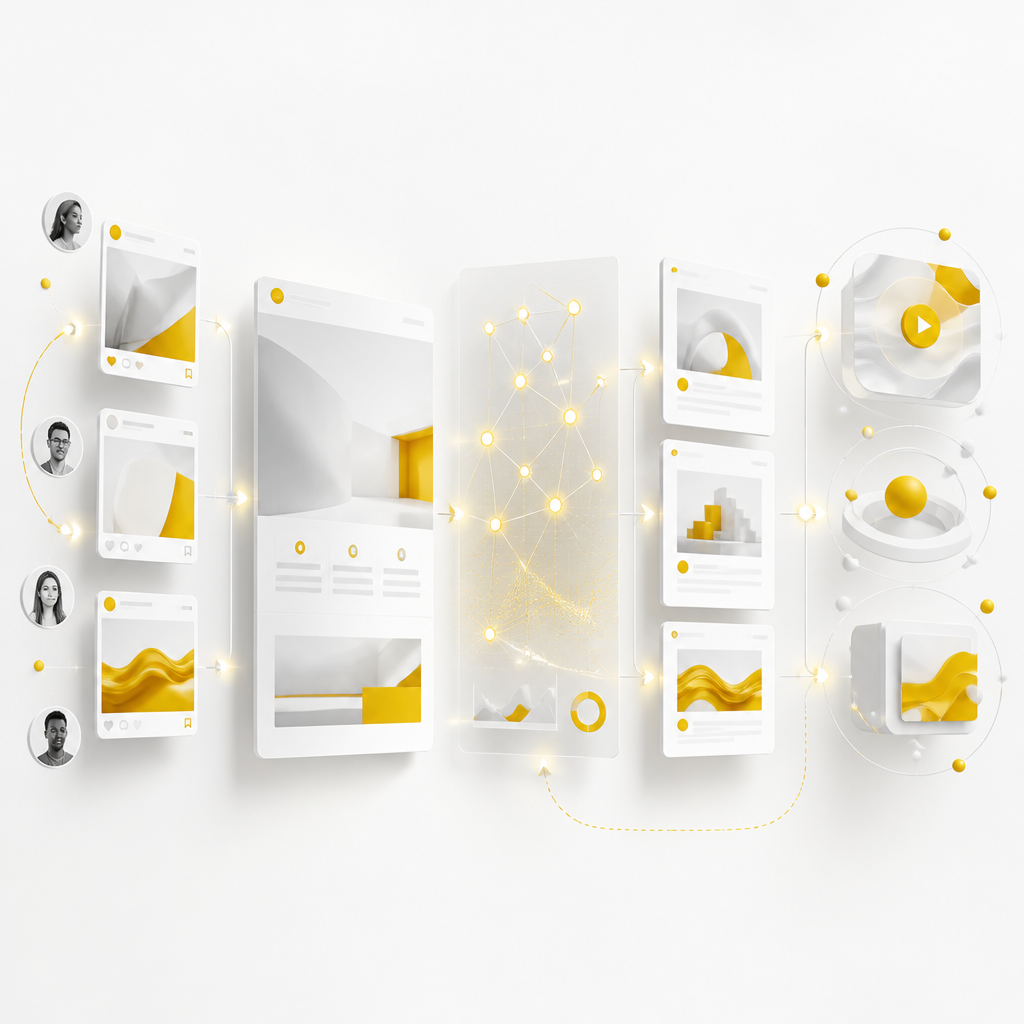
A premium editorial representation of a launch journey connecting social attention to website action using abstract connected panels for matching messages, tracking nodes, follow-up steps, and shareable interactive widgets.

Landing pages, product websites, and funnels—what you should build

Not every launch needs the same structure. Common launch-focused builds include:

  • A launch landing page One primary conversion goal, interactive explanation, and a clear CTA.
  • A product website Deeper education for longer consideration cycles and ongoing support.
  • A sales funnel sequence Pages and steps that move visitors from awareness → consideration → conversion.
  • A sign-up and onboarding flow (where applicable) If your product is SaaS or requires accounts, onboarding pages reduce drop-off.

With custom development, these pages can share consistent components and data (so your launch experience feels unified).

What Shakir Ansari & the RTP team build for launch-focused companies

Shakir Ansari – Full Stack Developer & AI Automation Solutions helps businesses build modern, reliable websites and product experiences that support growth and efficiency. With 10+ years of experience and 1300+ web applications developed, the team supports:

  • Custom-coded Web Design & Development
  • Full-stack applications and interactive website components
  • WordPress, Shopify, and WooCommerce builds
  • API integrations with tools like CRMs, payments, and third-party platforms
  • SaaS development and scalable product websites
  • Performance- and SEO-friendly implementation
  • Automation-ready workflows that support lead routing and business operations
  • AI-powered business automation where it improves internal and customer processes

If your launch requires more than static pages—such as integrations, custom product flows, or interactive experiences—the development approach is built to scale.

Template vs. custom for product launches

Choosing between a template and a custom build often comes down to how specific your launch needs are.

Template-based websites may be quicker to start, but they often struggle with:

  • Unique interactive features
  • Deep integrations and custom logic
  • Highly tailored UX and conversion paths
  • Long-term scalability and performance tuning

Custom website development is designed for:

  • Interactive websites built around your product story
  • Clear conversion goals and campaign-aligned pages
  • Flexible functionality and reliable integrations
  • A foundation that supports future launches and growth

For companies launching new products or services, custom-built experiences typically deliver stronger alignment between marketing intent and on-site conversion.

A practical development process for launch websites

A strong launch website is built through a focused process:

  1. Discovery & launch goals Clarify the offer, target audience, conversion actions, and success metrics.

  2. UX + content structure Map visitor intent to page sections, FAQs, and interactive flows.

  3. Design for clarity and conversion Create a modern UI that supports understanding and next-step actions.

  4. Development with performance in mind Build responsive, scalable, and SEO-friendly pages.

  5. Integrations and automation Connect systems (e.g., forms → CRM, payments, third-party tools, tracking).

  6. Testing and launch readiness Validate responsiveness, functionality, and tracking before release.

  7. Post-launch optimization Use performance and user signals to refine conversion paths and content.

FAQs

What makes a website “interactive” for a product launch?

An interactive website actively guides visitors—using elements like calculators, demos, guided flows, quizzes, dynamic sections, and lead capture logic—so users can understand and choose the right next step faster.

Do we need a custom website for a launch, or can we use a template?

You can use a template, but custom Web Design & Development is better when you need interactive experiences, campaign-specific UX, deeper integrations, scalable functionality, or long-term improvements.

How does interactive design improve conversions?

Interactive websites reduce confusion, answer key questions in context, and create a smoother path from interest to action—especially when CTAs and content match the visitor’s intent.

How should we connect social media marketing to our launch website?

Ensure your landing page matches the message from social posts, set up tracking for key actions, and design follow-up paths (demo request, email capture, FAQ, walkthrough) for visitors who aren’t ready to convert immediately.

Can your team integrate launch pages with CRMs, email tools, or payment systems?

Yes. The development approach supports API integrations and automation-ready workflows so leads and customer actions can connect to the tools your business already uses.

What types of websites are supported for launch needs?

Launch builds can include business websites, landing pages, portfolio/service pages, product sites, e-commerce websites, and custom-coded platforms with interactive functionality and third-party integrations.

How do you ensure the site is mobile-ready and fast?

The focus is on responsive design, clean implementation, performance-minded development, and an SEO-friendly structure so the site performs well across devices and is easy for search engines to understand.

Conclusion: turn product attention into qualified conversions

For companies launching new products or services, interactive websites paired with strong Web Design & Development turn traffic into action. When your site educates quickly, moves users through a conversion path, and connects with your Social Media Marketing and business systems, the launch becomes more than a page—it becomes a growth engine.

If you’re planning a new product or campaign and want a launch-ready website built for speed, clarity, and conversion, explore Website Development with Shakir Ansari – Full Stack Developer & AI Automation Solutions.

Next step CTA: Explore Website Development solutions for your product launch and interactive website build.