1
Operational Efficiency Gains
Modern systems reduce manual data entry, duplicate processes, slow approvals and reporting delays, and brittle handoffs between tools. Automation and API integration help teams move faster with fewer errors.

If your business runs on outdated websites, legacy software, or inefficient digital workflows, you’re probably feeling it in every part of the operation—slow performance, frequent fixes, poor customer experience, manual processes, and limited scalability.
Shakir Ansari – Full Stack Developer & AI Automation Solutions helps established businesses modernize legacy systems with custom development, API integrations, SaaS-ready architectures, and AI-powered workflow automation—so your digital systems become reliable, secure, and built for growth.
Modernization focus
Plan, rebuild, integrate APIs, automate workflows, and scale with custom solutions.
10+ years
of experience
1300+
web applications developed
Built for established businesses
This pillar page is for companies that need more than a redesign—they need application modernization that reduces risk, improves performance, and delivers measurable outcomes.
Faster workflows and fewer manual steps
Reduced downtime and easier maintenance
Improved integrations with third-party tools
Better customer experience across web and mobile
A scalable foundation for SaaS, automation, and AI
Definition
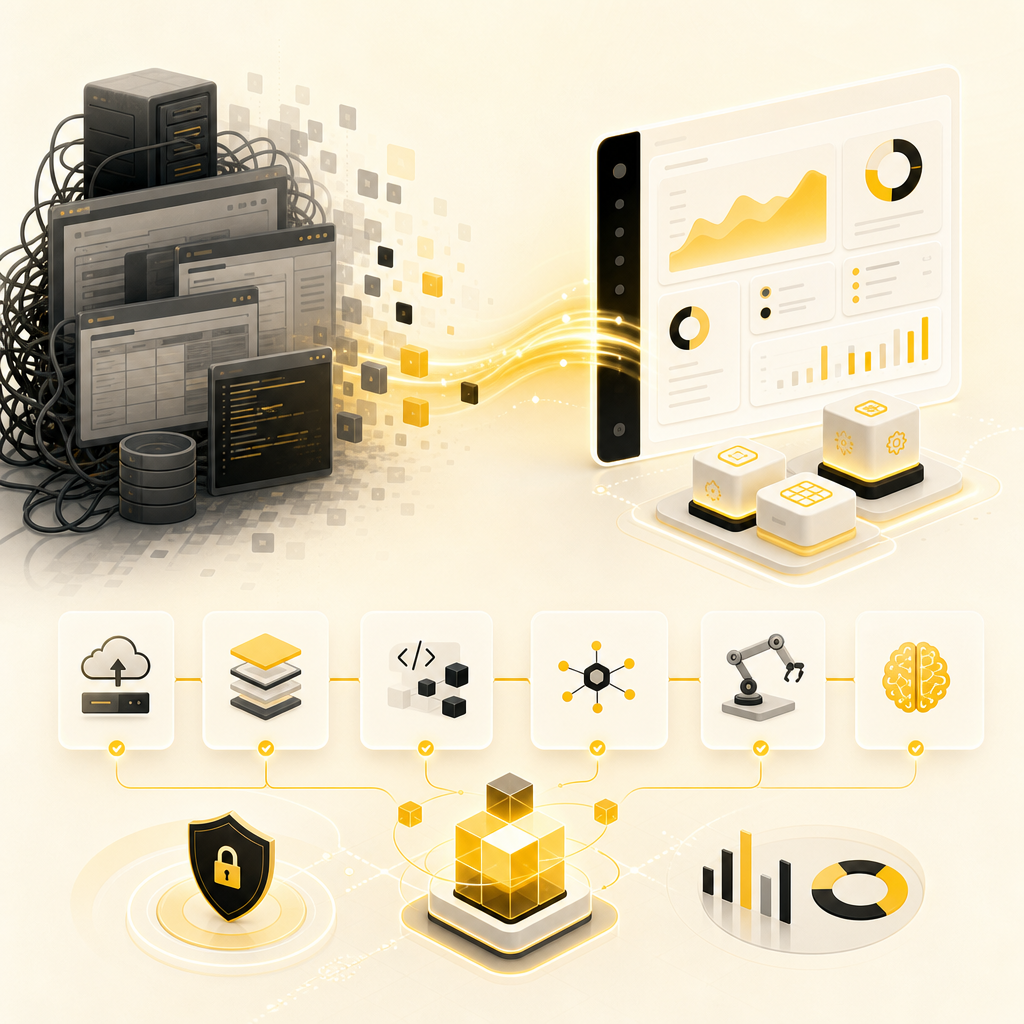
Legacy application modernization is the process of updating, rebuilding, integrating, and—when necessary—replacing older applications and platforms so they work better with today’s technology, security standards, and business needs.
Instead of “rip and replace” in a rush, most successful modernization programs use a practical roadmap—often combining multiple strategies over time.
Business outcomes
Legacy modernization isn’t only an engineering upgrade. It directly affects operational efficiency and growth.
Modern systems reduce manual data entry, duplicate processes, slow approvals and reporting delays, and brittle handoffs between tools. Automation and API integration help teams move faster with fewer errors.
Older systems often require constant fixes and specialized knowledge. Modernization improves maintainability so updates are easier and safer.
Modern architecture supports higher traffic, smoother deployments, faster response times, and cloud-ready environments.
Legacy systems frequently lag behind modern security practices. Modernization allows upgrades to authentication, encryption, logging, and vulnerability management.
When your website, app, or platform is responsive and reliable, customer trust increases—leading to more conversions, retention, and brand credibility.
Common challenges
If you recognize any of these, you’re likely ready for legacy modernization.
Your site or app is hard to change and every update is risky.
Integration is painful and data lives in silos.
Slow performance impacts customer conversion.
New features take too long to ship.
Developers spend time debugging instead of building.
Workflows rely on manual processes or spreadsheets.
Strategy to execution
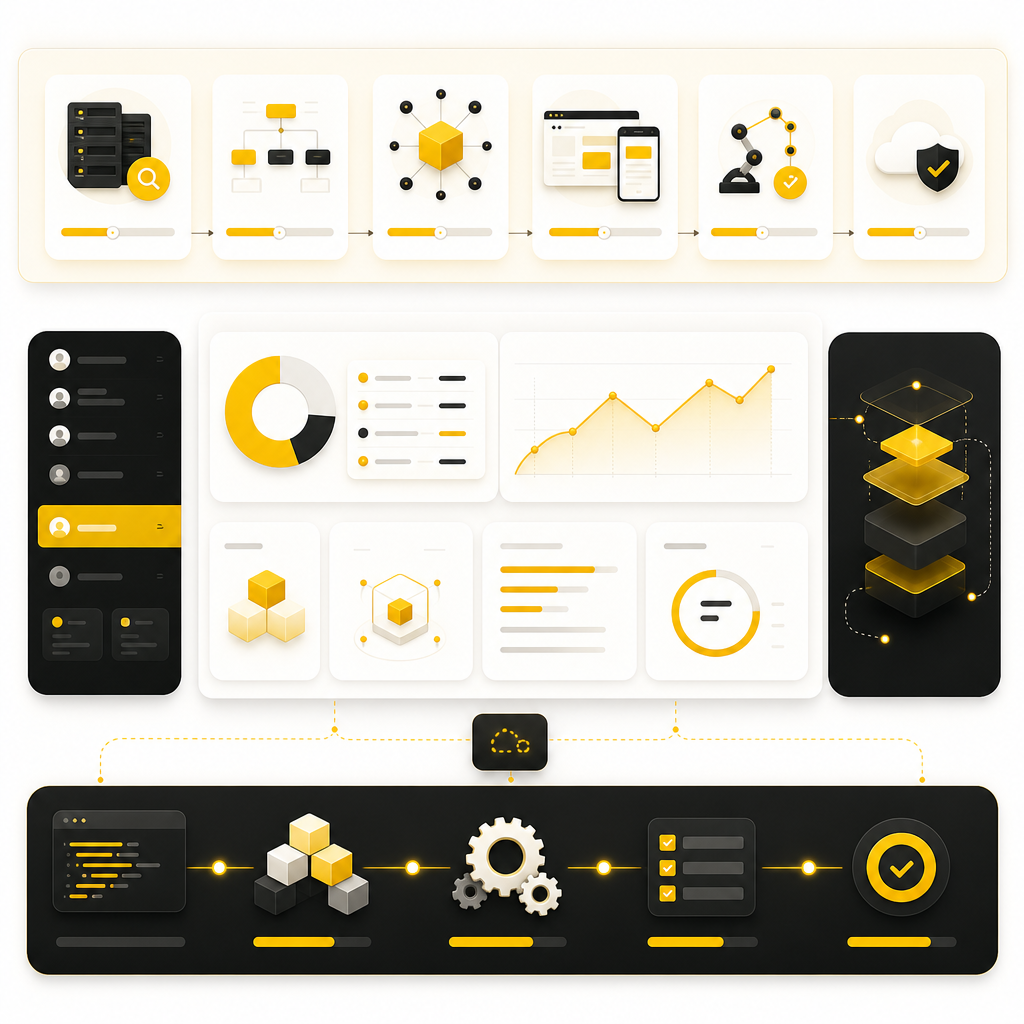
Based on best practices used in real modernization programs, successful teams typically follow a phased strategy: assess and inventory, choose the right modernization path, create a modern integration layer, rebuild UI/UX and core workflows, automate repetitive work, and deploy safely with modern engineering practices.
We start by understanding what systems exist, how data flows today, where integrations break down, which features matter most to business growth, and risk areas including security, performance, and reliability. Deliverable: modernization plan with prioritized scope and quick wins.
Many businesses combine approaches: wrap and integrate legacy features with APIs, replatform for performance, refactor for maintainability, and replace parts that are too costly or unsafe to keep.
An API-first integration approach lets new and legacy systems coexist while you modernize, then better workflows and automation reduce operational bottlenecks with structured environments, logging, monitoring, rollback plans, and security best practices.
Services
Shakir Ansari and the RTP team provide end-to-end modernization and digital transformation support across the full stack.
Modernization is a journey. Ongoing support helps your systems stay stable and evolve through performance improvements, feature expansion, integration upgrades, and security and reliability maintenance.
Engagement flow
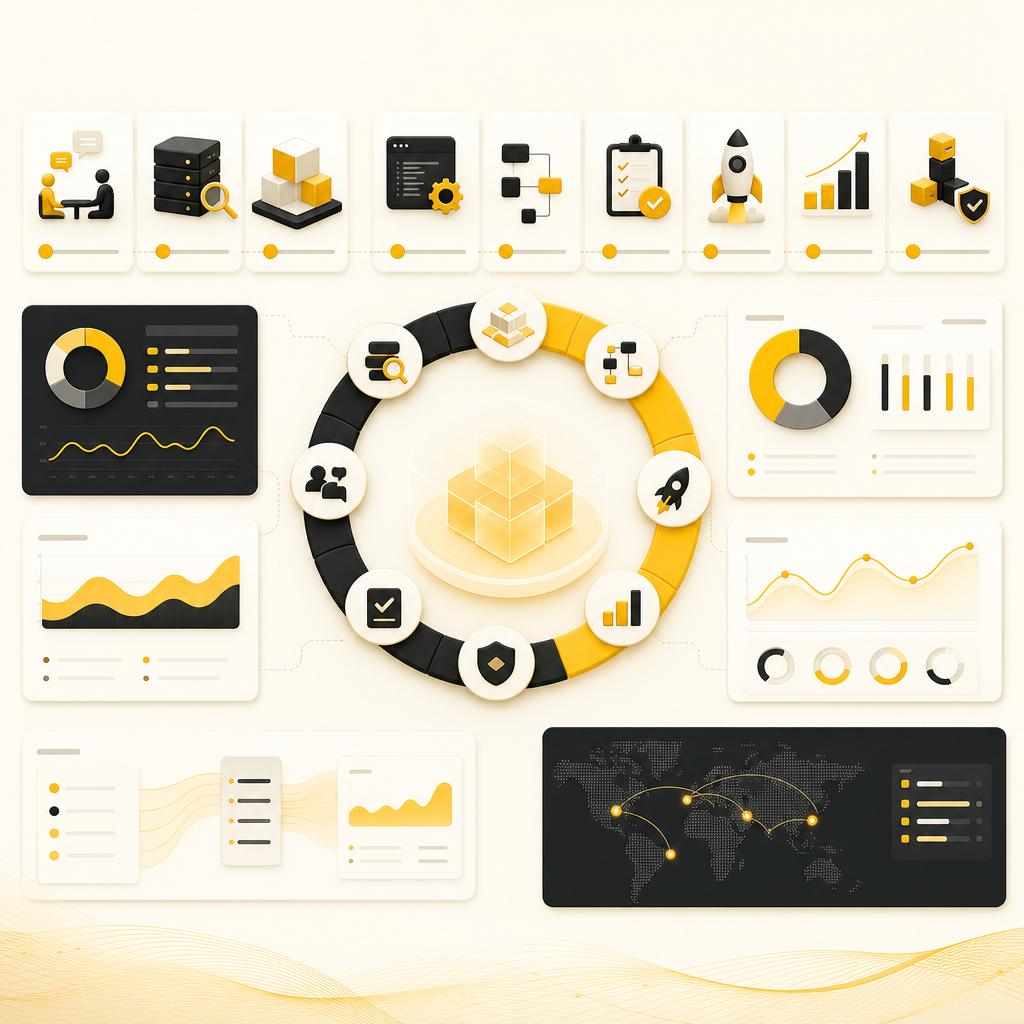
Discovery Call & System Understanding: We identify goals, pain points, and modernization priorities.
Legacy Systems Audit & Roadmap: We map dependencies, integrations, risks, and recommended phases.
Architecture & Implementation Plan: We define the modernization approach: refactor, replatform, replace, integrate.
Build, Integrate, Automate: We develop the modern components, connect APIs, and automate workflows.
Testing, Deployment, and Optimization: We validate performance, security, and usability—then deploy safely.
Stabilize and Scale: We monitor, improve, and expand based on real business usage.
Why choose
10+ years of experience and 1300+ web applications developed means you get practical engineering backed by real delivery experience.
RTP works across Laravel, PHP, React, React Native, WordPress, Shopify, WooCommerce, seo services and conversion-focused implementation, API integrations, SaaS development, mobile apps, workflow automation, and AI agents.
Most importantly: modernization is tailored. No cookie-cutter templates. Your system is built around your business processes, not generic assumptions.
FAQ
Ready to modernize?
If your legacy software is slowing down growth, increasing operational overhead, or blocking integrations, Shakir Ansari and the RTP team can help you modernize with a practical roadmap and custom-built solutions.
Get a modernization roadmap for your next phase—web, full-stack, API integrations, SaaS, e-commerce, and AI automation built to improve operational efficiency.