SHAKIR ANSARI

Local SEO Services to Win Google’s Local Pack

If your business depends on customers nearby, you need more than general Search Engine Optimization. You need Local SEO that helps you show up when people search “near me,” compare providers in a specific area, and choose from Google’s Local Pack.

This pillar page covers what Local SEO includes, why local rankings matter, and how Shakir Ansari and the RTP team approach location-based SEO with technical depth—especially for businesses that need both search visibility and websites built to perform.

What Local SEO Means for Businesses That Serve Nearby Customers

Local SEO is Search Engine Optimization focused on ranking for location-based intent—when customers want a service in a specific city, neighborhood, or service area.

For local growth, your strategy typically targets:

  • Map visibility (showing on Google Maps)
  • Google’s Local Pack (the map + business listings at the top of results)
  • Service-area targeting (ranking across the places you actually serve)
  • Location pages (dedicated pages that match search intent for each area)
  • Local content (helpful information that proves relevance to the local customer)

When done well, Local SEO drives higher-intent traffic—people who are actively looking to hire a provider like you.

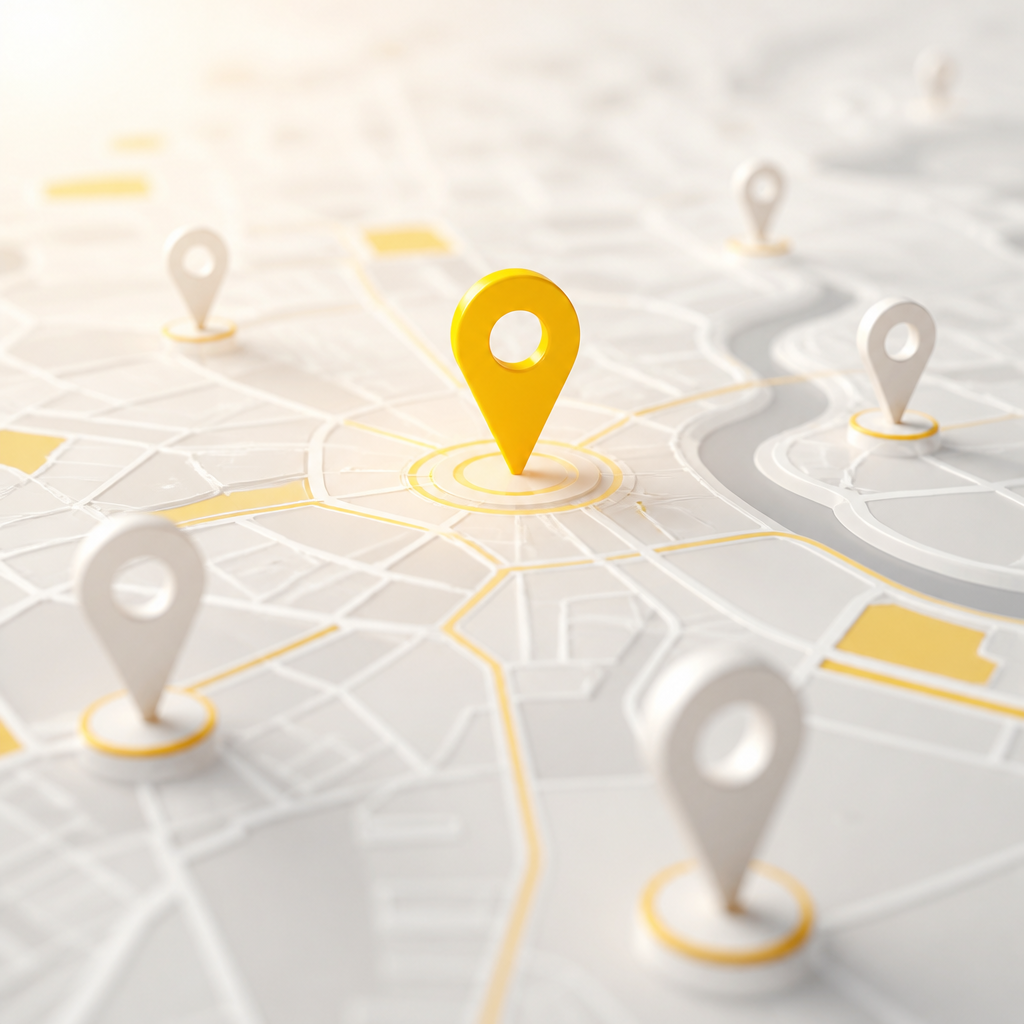
A modern city map scene with warm accent location pins arranged to suggest nearby local search visibility

How Google’s Local Pack Works (And Why It’s Different)

Google’s Local Pack pulls from multiple signals to decide which businesses are most relevant and trustworthy for a local query. While the exact algorithm isn’t public, the major categories that influence results include:

  1. Relevance: Do you clearly offer the service a searcher wants?
  2. Distance: Are you located near the person searching (or serving that area)?
  3. Prominence: Is your business well-known and credible online?

To show consistently, your local SEO setup should align these signals across your:

  • Google Business Profile
  • Website (especially local landing pages)
  • Local citations and listings
  • Reviews and reputation signals
  • Technical foundation that supports crawling and ranking

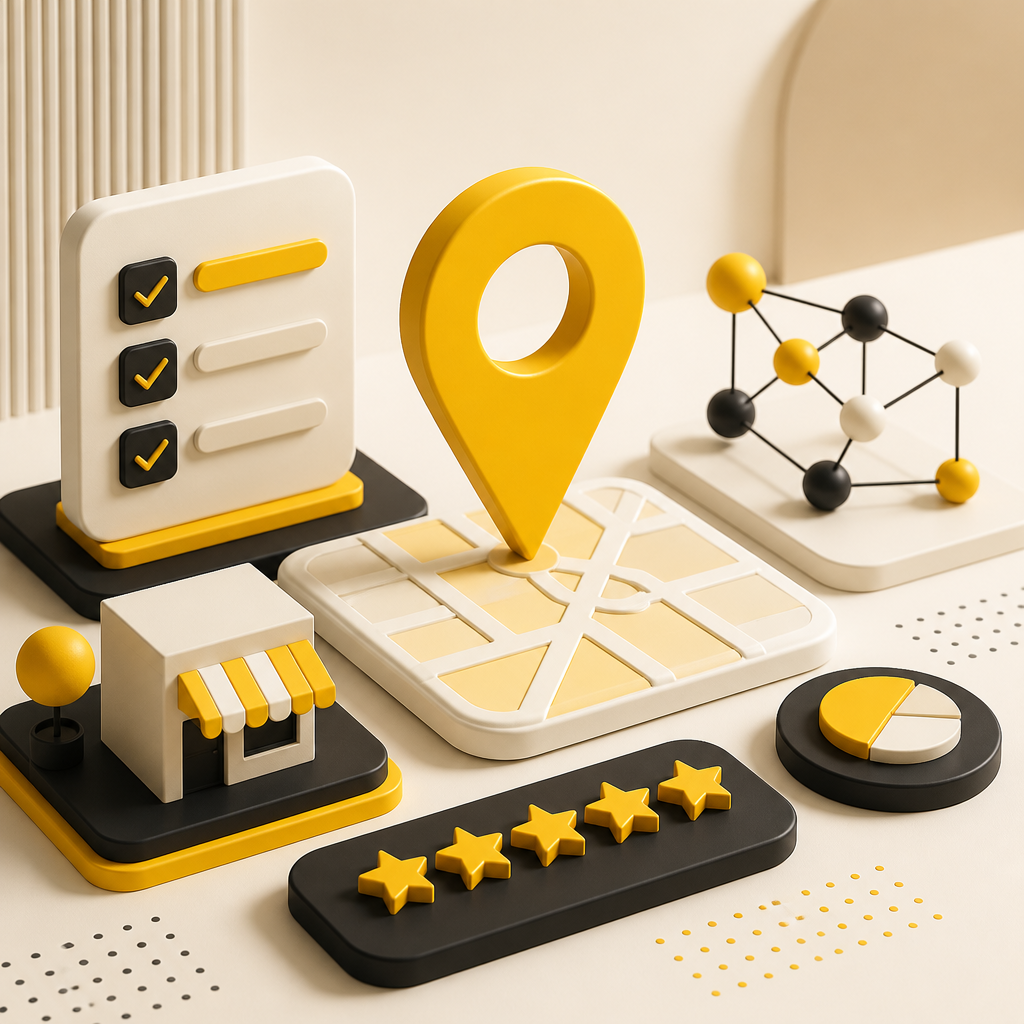
A cohesive editorial composition of connected local SEO service motifs including map pins, checklist shapes, and reputation signals in warm brand colors

Core Local SEO Services You Need to Build (Not Guess)

Below are the key Local SEO components businesses usually need to win map rankings and local search visibility.

1) Google Business Profile Optimization

A strong Local SEO foundation starts with your presence on Google.

Typical improvements include:

  • Correct business categories and service descriptions
  • Accurate contact information and business details
  • Location/area relevance for what you actually do
  • Posts and updates aligned with local intent
  • Systems to support review growth and response workflows

2) Location Pages That Match Search Intent

A “service page” isn’t always enough for local rankings. Location pages help Google and customers understand where you operate and what you deliver there.

Well-optimized location pages typically include:

  • Unique copy for each location/service area (not duplicates)
  • Clear service coverage and boundaries (service-area targeting)
  • Local proof points (relevant references, examples, or differentiators)
  • Internal links to core service pages
  • Strong on-page SEO elements (titles, headings, and structured content)

3) Service-Area Targeting (When You Don’t Have a Physical Location)

If you travel to customers, you still need Local SEO—but your pages and signals should reflect service areas clearly.

This commonly involves:

  • Service-area pages built around real cities/regions you serve
  • A consistent approach to business hours, coverage details, and routing intent
  • Content that supports “how/why you serve this area” queries

4) On-Page Search Engine Optimization for Local Queries

Local rankings depend on more than your homepage.

On-page SEO for local intent typically covers:

  • Keyword targeting that matches location-based searches
  • Localized headings and content structure
  • Internal linking from blogs/service pages to location pages
  • Image optimization and accessibility basics that support performance

5) Local Citations and Online Directory Consistency

Citations are mentions of your business across the web.

Local SEO efforts often focus on:

  • NAP consistency (Name, Address, Phone) where applicable
  • Corrections to outdated or mismatched information
  • Consistent formatting across key platforms and directories

6) Review Strategy and Reputation Signals

Reviews influence click-through and trust—and can affect visibility for local searches.

Effective Local SEO programs include:

  • Encouraging reviews in a compliant, repeatable way
  • Responding to reviews to reinforce relevance and customer focus
  • Monitoring review trends by location/service area

7) Technical Local SEO (Performance, Indexing, and Structured Data)

Even strong content can’t rank if your site can’t be crawled and understood.

Technical improvements that support Local SEO can include:

  • Fast loading and mobile-friendly performance
  • Clean indexation and crawl paths for location pages
  • Schema markup (e.g., LocalBusiness and service-related structured data where appropriate)
  • Fixing issues that prevent key pages from ranking

Because Shakir Ansari and the RTP team work across full-stack development and SEO services, your local setup can be implemented with a technical-first approach—so your site structure and local pages are built to perform, not just “look good.”

What Local SEO Implementation Looks Like (A Practical Process)

A conversion-focused local SEO process usually follows a cycle like this:

Step 1: Local Visibility Audit

Identify what’s limiting performance, such as:

  • GBP accuracy and category alignment
  • Existing location/service-area page quality
  • On-page optimization gaps for local queries
  • Citation inconsistencies
  • Technical issues impacting crawl/indexation

An abstract circular workflow diagram with connected nodes and subtle location-pin accents suggesting an end-to-end local SEO process

Step 2: Keyword + Location Intent Mapping

Map what customers search to the pages you need, such as:

  • Core service + city/neighborhood combinations
  • “Near me” modifiers and local comparison intent
  • Service-area coverage queries (when you serve multiple regions)

Step 3: Build or Improve Location Pages (SEO-Ready)

Develop or refine pages so they support both:

  • Ranking goals (relevance + structure + uniqueness)
  • Conversion goals (clear services, next steps, and local trust signals)

Step 4: Strengthen Off-Page Local Signals

Work on reputation and presence elements that support Local Pack eligibility, including:

  • Review growth workflows
  • Citation cleanup and consistency
  • Local content distribution and credibility-building

Step 5: Track, Measure, and Optimize

Measure performance in the ways that matter for local businesses:

  • Visibility for location-based searches
  • Engagement from map results and local listings
  • Rankings for priority cities/service areas
  • Conversion events from local landing pages

Why a Technical Development Partner Helps Local SEO

Many local businesses buy “content” and “SEO,” but their site still fails locally because:

  • Location pages aren’t built with strong structure
  • Technical issues block indexing or slow performance
  • Schema and internal linking aren’t implemented intentionally
  • Integrations (tracking, forms, CRM handoffs) aren’t set up for lead capture

Shakir Ansari – Full Stack Developer & AI Automation Solutions brings a development-driven mindset to SEO services—helping businesses create scalable websites, improve technical SEO, and connect the systems needed to turn local visibility into qualified leads.

Local SEO Content Ideas That Support Map Visibility

Local content should do more than “mention the city.” It should support customer decisions in that area.

Examples include:

  • Area-specific guides (e.g., “What to expect in [City]”)
  • Service FAQs tailored to local conditions or customer expectations
  • Case studies and examples tied to local outcomes
  • Neighborhood-focused landing content that answers “who it’s for” and “how it works”

This helps strengthen relevance—one of the core Local Pack drivers.

Common Local SEO Mistakes to Avoid

Avoid these issues that commonly limit performance:

  • Using duplicate text across multiple location pages
  • Targeting too many locations without page quality and intent mapping
  • Neglecting Google Business Profile optimization
  • Letting NAP details drift across the web
  • Publishing pages without technical foundations (indexation, speed, internal linking)
  • Not building a review process

Frequently Asked Questions

What is Local SEO?

Local SEO is Search Engine Optimization designed to help your business rank for location-based searches—improving visibility on Google Maps and in Google’s Local Pack.

How do I improve my chances of appearing in Google’s Local Pack?

Focus on relevance, prominence, and location alignment by optimizing your Google Business Profile, building strong location/service-area pages, improving review signals, and ensuring your site and citations are accurate and technically sound.

Do I need separate location pages for each city?

If you serve multiple cities or service areas and want to rank for city-specific searches, dedicated location pages (or service-area pages) are typically necessary—especially when you can provide unique, useful content for each area.

What if I don’t have a physical location customers visit?

You can still target service areas with service-area pages that clearly communicate coverage and align with the Local SEO signals you control (Google Business Profile, citations where relevant, content intent, and local trust factors).

How long does Local SEO take to work?

Local SEO progress depends on competition, site readiness, review/reputation baseline, and how thoroughly the local strategy is executed. Most businesses see improvements as key pages and signals get indexed, optimized, and reinforced over time.

Conclusion: Build Local Visibility That Turns Into Leads

Local SEO isn’t just about rankings—it’s about being discoverable when nearby customers are ready to choose. By combining Google’s Local Pack optimization with location pages, service-area targeting, reputation support, and technical Search Engine Optimization, you can turn local intent into consistent traffic and qualified inquiries.

If you want to improve local rankings and strengthen your ability to convert visitors into leads, explore how SEO services can support your specific locations, services, and service areas.

Next Step (CTA)

Explore Local SEO Services with Shakir Ansari – Full Stack Developer & AI Automation Solutions to strengthen your Google visibility, location pages, and local search performance.

Learn how we can optimize your website and local SEO setup so your local pages are built to rank and built to convert.