SHAKIR ANSARI

Payment Gateway Development Services for Secure Integrations

Businesses that grow beyond basic websites quickly run into a common challenge: payments can’t be bolted on. To support checkout flows, refunds, recurring billing, invoices, and subscriptions—your platform needs secure, reliable payment gateway integration built for your exact product and workflows.

This pillar page explains payment gateway development services and what it takes to integrate the most popular payment gateways into modern full-stack systems (web apps, SaaS platforms, e-commerce experiences, and internal portals).

Why Payment Gateway Integration Matters for Modern Businesses

Payment gateway integration is not only about accepting card payments. It’s about building a complete payments layer that works across the full customer journey and your internal operations, including:

  • Checkout flows that convert (fast, secure, mobile-friendly)
  • Recurring billing for subscriptions and memberships
  • Invoices and payment records for accounting and customer support
  • Refunds and chargebacks handling with clear status tracking
  • Payment webhooks to keep your system synchronized in real time
  • Security controls to reduce risk (secure token handling, correct authorization flows)
  • Operational visibility for administrators and finance teams

When this foundation is built correctly, your product can scale without payment interruptions or costly manual work.

Abstract network of glowing nodes and connection paths suggesting a secure, end-to-end payment journey across customer and internal systems.

Abstract layered architecture showing secure, event-driven payment services across multiple system layers.

What Payment Gateway Development Services Include

Payment gateway development services typically cover the planning, integration, and operational layers required for stable payment processing. A full-stack approach ensures your front end, back end, database, and APIs all support payment events end-to-end.

Common service components include:

1) Payment Architecture & Gateway Selection

Choosing which gateway(s) fit your business model:

  • One-time payments vs subscriptions
  • International payments and currencies
  • Supported payment methods
  • Webhook/event reliability requirements
  • Compliance and security constraints

2) Checkout & Payment Flow Development

Building payment UX and logic such as:

  • Cart/checkout integration
  • Amounts, taxes, discounts (when applicable)
  • Customer details capture (only what’s needed)
  • Secure payment tokenization/processing
  • Handling payment states (pending, succeeded, failed)

3) Recurring Billing, Subscriptions, and Plans

Implementing recurring models like:

  • Subscription plans and upgrades/downgrades
  • Trial periods (when supported)
  • Billing cycles and payment schedules
  • Customer management and renewal status updates

4) Invoices & Payment Records

Creating reliable back-office data for:

  • Downloadable invoices (when needed)
  • Emailing invoices and payment confirmations
  • Storing payment references and statuses
  • Reconciling gateway transactions with internal orders/subscriptions

5) Refunds, Cancellations, and Disputes

Supporting operational actions such as:

  • Refund initiation and refund status tracking
  • Subscription cancellations and end-of-term behavior
  • Mapping gateway events to your internal lifecycle

6) Webhooks & Event Handling

Webhooks are essential for synchronization. Your system should correctly process events like:

  • Payment succeeded/failed
  • Subscription created/updated/canceled
  • Invoice paid/voided
  • Refund processed
  • Charge/dispute-related updates (as supported)

7) Security, Compliance-Friendly Practices, and Reliability

Secure payment integration typically includes:

  • Proper secret management (API keys and webhook signing secrets)
  • Safe handling of tokens/IDs (no sensitive card data stored)
  • Database-safe design for payment states
  • Idempotent webhook processing to prevent duplicates
  • Logging and monitoring for troubleshooting

Many businesses evaluate “the most popular payment gateways” based on reliability, feature depth, and ease of integration.

Stripe

Popular for:

  • Subscription billing and scalable payment flows
  • Strong developer documentation and webhook tooling
  • Broad payment methods and global reach

Best fit when you need:

  • Subscription-first business models
  • Advanced payment workflows
  • Clean API-driven integrations

PayPal

Popular for:

  • Consumer familiarity in checkout experiences
  • Broad adoption across many customer segments
  • Multiple funding sources

Best fit when you need:

  • Customer payment flexibility
  • A checkout experience aligned with PayPal users

Other Common Gateway Options

Depending on region, business needs, and product type, some teams also evaluate alternatives that provide:

  • Local acquiring support
  • Specific payment methods
  • Industry-specific compliance or regional requirements

A skilled integration approach helps you build with one gateway now and adapt later without breaking your product.

Payment Gateway Integration: The Full Process (End to End)

A successful integration connects multiple systems, not just a payment form. Here’s the typical end-to-end flow a full-stack team implements:

  1. Customer starts checkout on your website/app
  2. Your front end collects only required info and requests payment initialization
  3. Your back end creates payment intents/transactions (or equivalent)
  4. The gateway authorizes the payment securely
  5. Your system receives success/failure feedback
  6. Your back end records the payment and updates order/subscription status
  7. Webhooks confirm final outcomes and keep everything consistent
  8. You trigger downstream actions:
    • Email confirmations
    • Provisioning access
    • Updating dashboards/admin panels
    • Generating invoices and receipts

This approach reduces manual reconciliation and keeps your product behavior aligned with real payment outcomes.

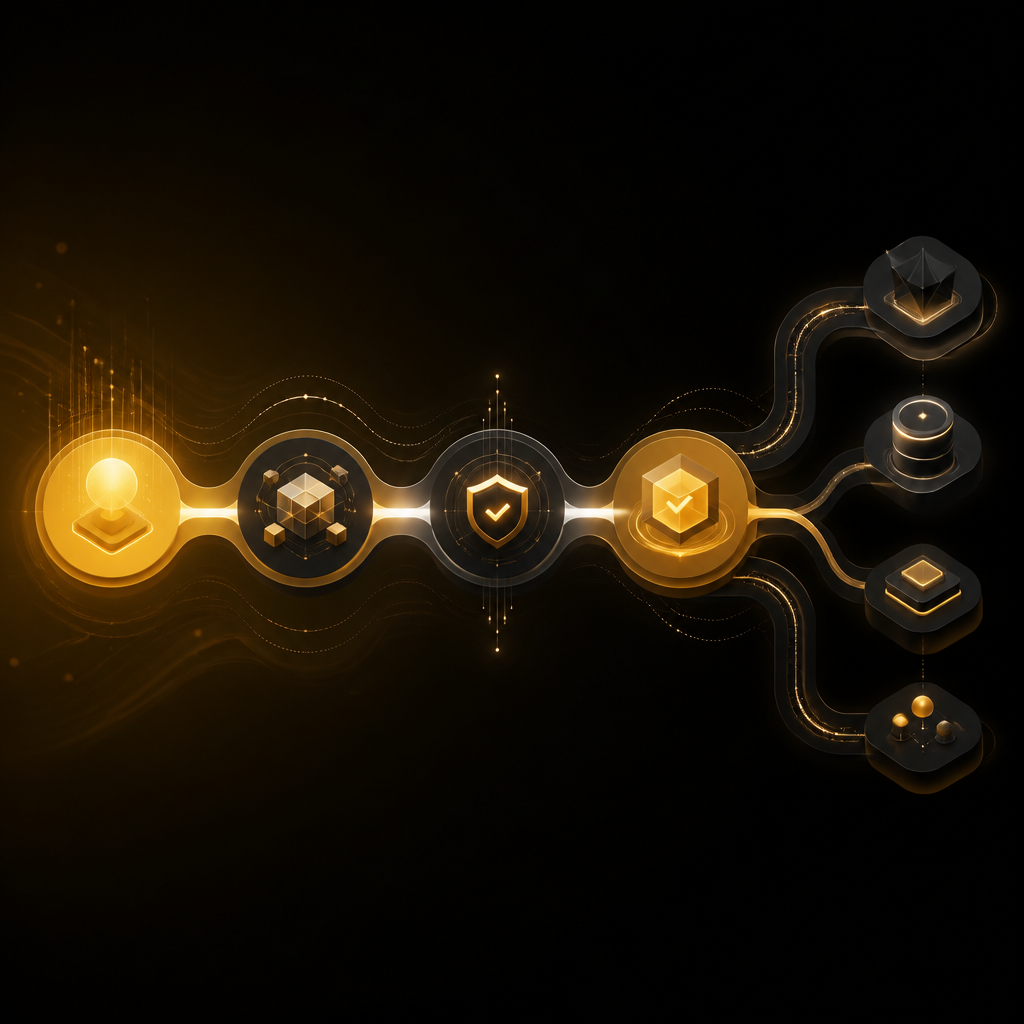
Abstract end-to-end payment pipeline with connected stages and branching downstream actions, presented in a premium editorial style.

Common Payment Integration Use Cases (Subscriptions, Invoices, Refunds)

Payment integrations become more valuable—and more complex—when your business requires beyond-basic checkout.

Recurring Billing & Subscriptions

Your system needs to handle:

  • Payment retries and failed renewals
  • Grace periods and entitlement rules
  • Upgrade/downgrade behavior
  • Cancellation and access timing

Invoices & Billing Documentation

A complete integration often includes:

  • Invoice creation and lifecycle tracking
  • Customer billing emails
  • Payment-to-invoice linking for support and accounting

Checkout Flows That Convert

Conversion improvements commonly come from:

  • Reduced friction in the payment step
  • Clear payment state handling
  • Fast load performance across devices

Refunds and Customer Support Workflows

Support teams need:

  • Refund eligibility logic aligned to your order/subscription model
  • Clear status timelines
  • Automation-ready internal updates

How Full-Stack Development Improves Payment Reliability

Payment integration fails when it’s treated as a one-off widget. Full-stack development ensures the entire system is designed to handle payment states, events, and data consistency.

With one coordinated team, you get:

  • Front-end checkout UX and state handling
  • Back-end gateway logic, secure API calls, and payment state management
  • • Database design for orders, subscriptions, invoices, and payment history
  • • API development so internal tools and external systems stay synchronized
  • • Admin dashboards that reflect real gateway events
  • • Security improvements like safe secret management and webhook signing validation

This makes the payment layer maintainable as your product grows.

Implementation Checklist for Payment Gateway Development

Use this checklist to align stakeholders and ensure nothing critical is missed:

  • [ ] Confirm payment model: one-time, subscriptions, usage-based, or hybrid
  • [ ] Choose one or more payment gateways that match your needs
  • [ ] Define your payment states and entitlement rules
  • [ ] Implement checkout initialization and secure processing
  • [ ] Add webhook endpoints for all critical events
  • [ ] Ensure webhook handling is idempotent (prevents duplicate processing)
  • [ ] Persist payment metadata for reconciliation and support
  • [ ] Build invoice and receipt workflows if required
  • [ ] Implement refund and cancellation flows (with clear status tracking)
  • [ ] Add admin visibility: order history, subscription status, event logs
  • [ ] Add monitoring and logging for production stability

FAQs

What are payment gateway development services?

Payment gateway development services are the end-to-end build and integration work required to connect your application to payment gateways so you can process payments securely, support recurring billing, manage invoices, handle refunds, and keep your system updated via events and webhooks.

Which is the most popular payment gateway for subscriptions?

Stripe is widely used for subscription models due to its recurring billing features, developer tooling, and webhook-based event handling. However, the best choice depends on your customer base, regions, and business requirements.

Can we integrate more than one payment gateway?

Yes. Many platforms support multiple gateways for redundancy, regional coverage, or customer preference—but it requires careful design so checkout, payment records, and webhook workflows remain consistent.

How do payment gateway webhooks work?

Webhooks are event notifications sent from the gateway to your system. They confirm final payment outcomes and subscription lifecycle changes so your app stays synchronized even when payment confirmations occur after the initial checkout request.

Do we need a full-stack team for payment integration?

To build a reliable payment system, full-stack development is strongly recommended. Payments impact your front end, back end, database, APIs, admin tools, and security processes—so an end-to-end build prevents gaps and inconsistent payment states.

Conclusion: Build a Payments System That Scales

A secure, conversion-ready checkout experience and dependable recurring billing don’t happen by accident. Payment gateway development services should be treated as core product infrastructure—designed for webhooks, refunds, invoices, and real payment events.

If you’re building or upgrading a custom platform—SaaS, e-commerce, subscriptions, dashboards, or a billing portal—consider building your payment layer as part of your full-stack system so it stays stable as you scale.

Explore Custom Full-Stack Payment Integrations

Learn how Shakir Ansari – Full Stack Developer & AI Automation Solutions can help you build reliable payment gateway integrations as part of your broader full-stack development—from secure checkout flows and APIs to recurring billing, invoices, refunds, and admin-ready dashboards.


Explore Custom Full-Stack Payment Integrations